
Interior Stair Railings in Glendale: Custom-Built for Older Queens Homes
- 5.0 rating on Google reviews
- Licensed and insured
- Custom fabrication in steel, wrought iron, stainless, and aluminum
Signs Your Interior Stair Railing Needs Replacing
Wobble at the base, rust bleeding through paint, and gaps wider than a soda can are the three biggest red flags. If your railing moves when you grab it, that’s structural — it needs attention before someone gets hurt.
It’s usually the anchor point at the base or the top newel post pulling away from the framing. Wood staircases loosen over time as the house settles, and iron railings can rust from the inside where you can’t see it.
- Visible rust stains bleeding through paint near the base or wall mounts
- Balusters you can wiggle by hand, even slightly
- Gaps wide enough to fit a basketball, which fails most modern code
- Sharp edges or broken welds where the metal has cracked
- A handrail that feels cold and rough instead of smooth, with old finish broken down
Not sure if yours is a repair or a full replacement? We answer it on site, not with a guess over the phone.
Choosing Railing Materials and Styles That Fit Your Stairwell
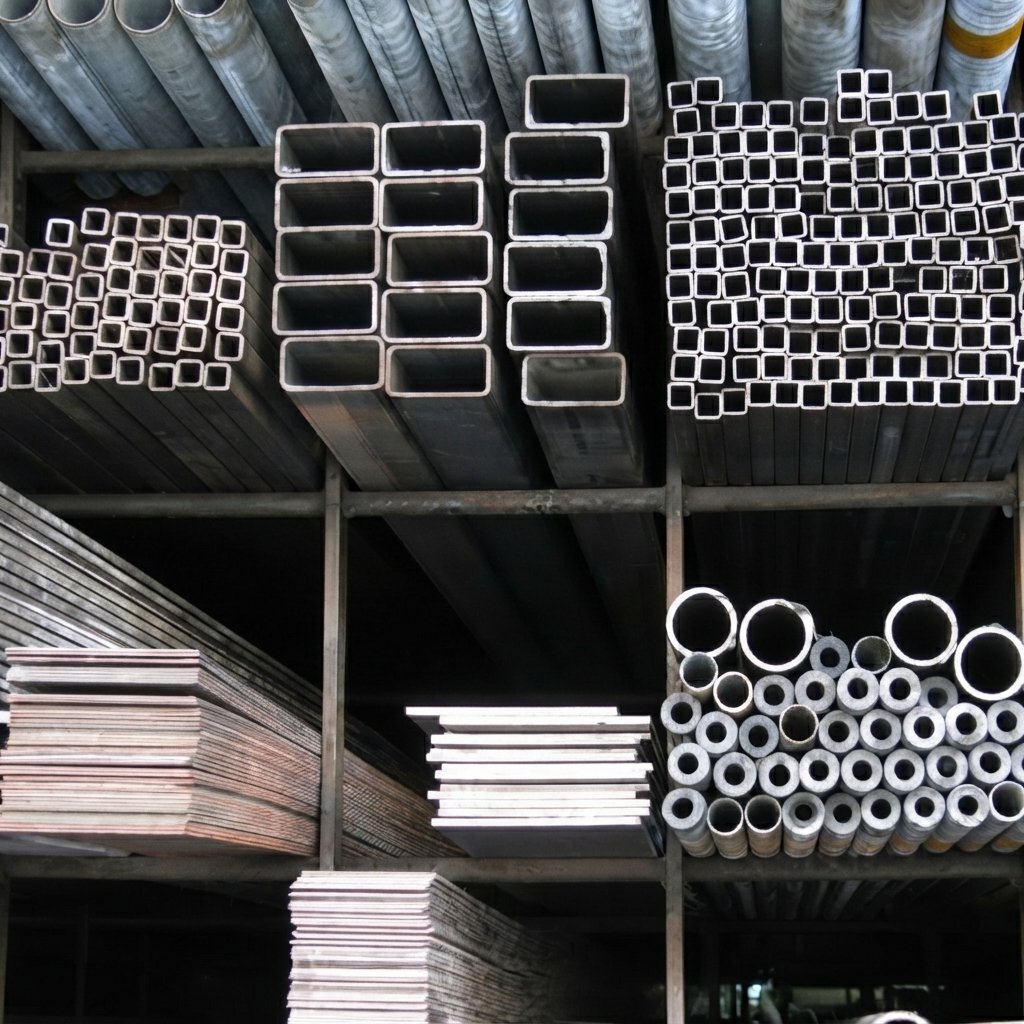
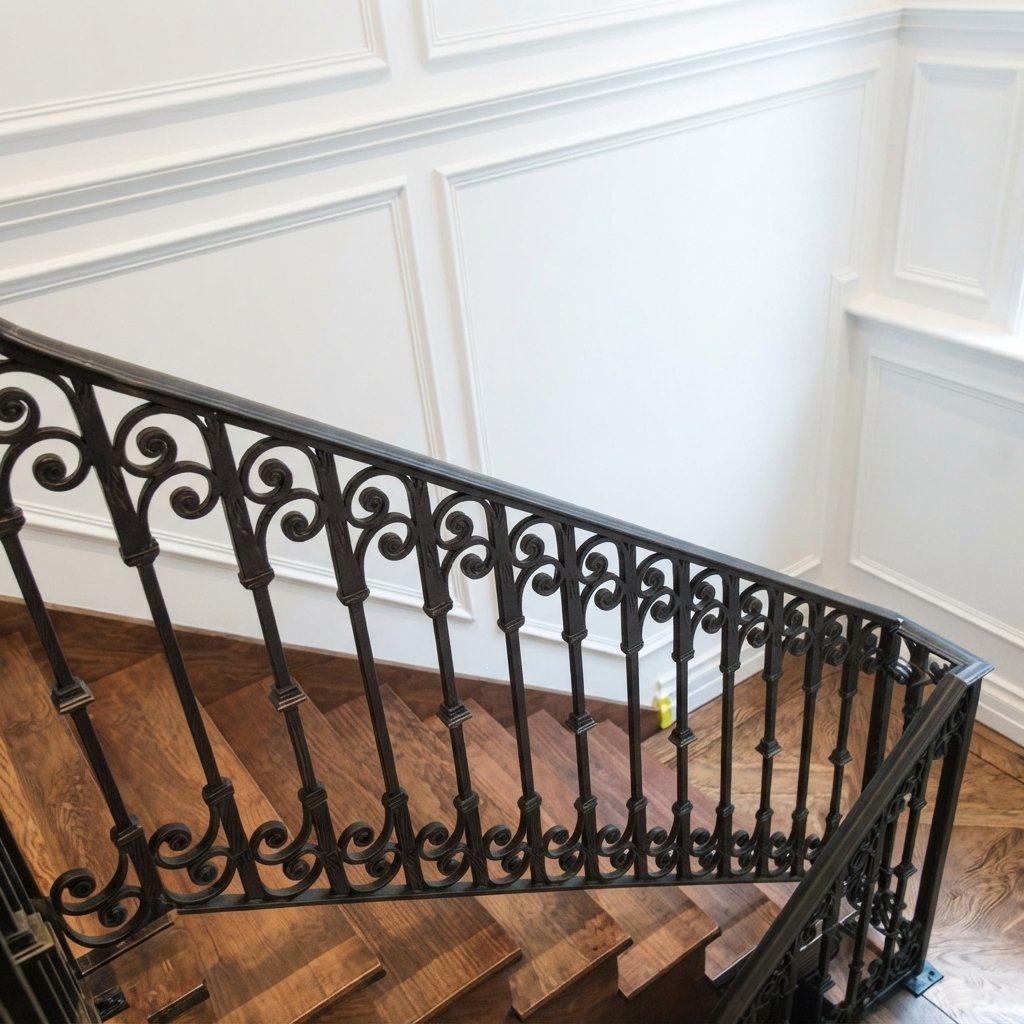
Wrought iron is our bread and butter — it holds its shape for decades and lets us bend scrollwork or straight lines depending on the house. Stainless steel reads more modern with less upkeep. Aluminum comes in lighter and costs less, a fair pick for lower-traffic stairs. A tight spiral staircase in an older Glendale two-story often needs thinner iron balusters to keep the sightline open; a wide open-riser stair can carry heavier ironwork.
- Wrought iron: hand-forged scrolls, baskets, or straight pickets, holds up for generations
- Stainless steel: sleek cable or rod infill, low-maintenance finish
- Aluminum: lighter weight, budget-friendly for lower-traffic stairs
- Mixed material: iron frame with wood cap rail for a warmer feel
We build custom wrought iron railings for stairs, porches, and balconies — our main service page covers every style we build.
When a Simple Repair Beats a Full Railing Replacement
Not every wobbly railing means a full tear-out. Sometimes it’s one loose baluster, a bent section from a moving job gone wrong, or a handrail bracket that separated from its post — a twenty-minute fix, not a rebuild.
- A single baluster or post wiggles but the rest of the run is solid
- Surface rust on the iron, not rust that’s eaten through the metal
- A handrail bracket pulled loose from drywall or a stud
- Chipped or flaking paint with no structural give underneath
- A bent section from furniture or a move, iron itself still sound
Many houses in Glendale and neighboring Ridgewood still have their original interior iron railings from the 1920s and 1940s, anchored into plaster and lath instead of drywall. Over the decades it’s usually the plaster anchor that gives, not the iron — an easy repair for someone who knows how to re-anchor without cracking the wall.
Replacement makes sense when rust has worked into the base plate or weld joints, when baluster spacing doesn’t meet code anymore, or when the whole run is pitted top to bottom. We’ll tell you straight which one you’re looking at.
Preparing Glendale's Older Stairwells for a New Railing
Older staircases weren’t always built with a sturdy anchor point in mind — plaster walls, thin treads, or a stringer that’s shifted over the years. Before we talk style, we check what’s holding the old railing up.
- Check stair treads and stringers for rot, cracking, or old repairs that won’t hold new hardware
- Find solid wood or framing behind the wall so mounts have something real to bite into
- Measure rise and run to make sure the new railing meets a comfortable height
- Note any plaster or lath walls that need extra care during anchoring
We’ve opened up walls expecting solid studs and found lath and horsehair plaster instead. A heavier custom wrought iron railing needs stronger anchoring than a lighter aluminum option — we walk your stairwell first and build the plan around what we find.
Custom Fabrication and Installation, Step by Step
Older frame houses especially can have stairwells that aren’t quite square, so we don’t grab rail off a shelf and cut it to fit.
- Measure your staircase in person, taking angles, rise, and run by hand
- Build a template that matches your exact stair layout, including any turns or landings
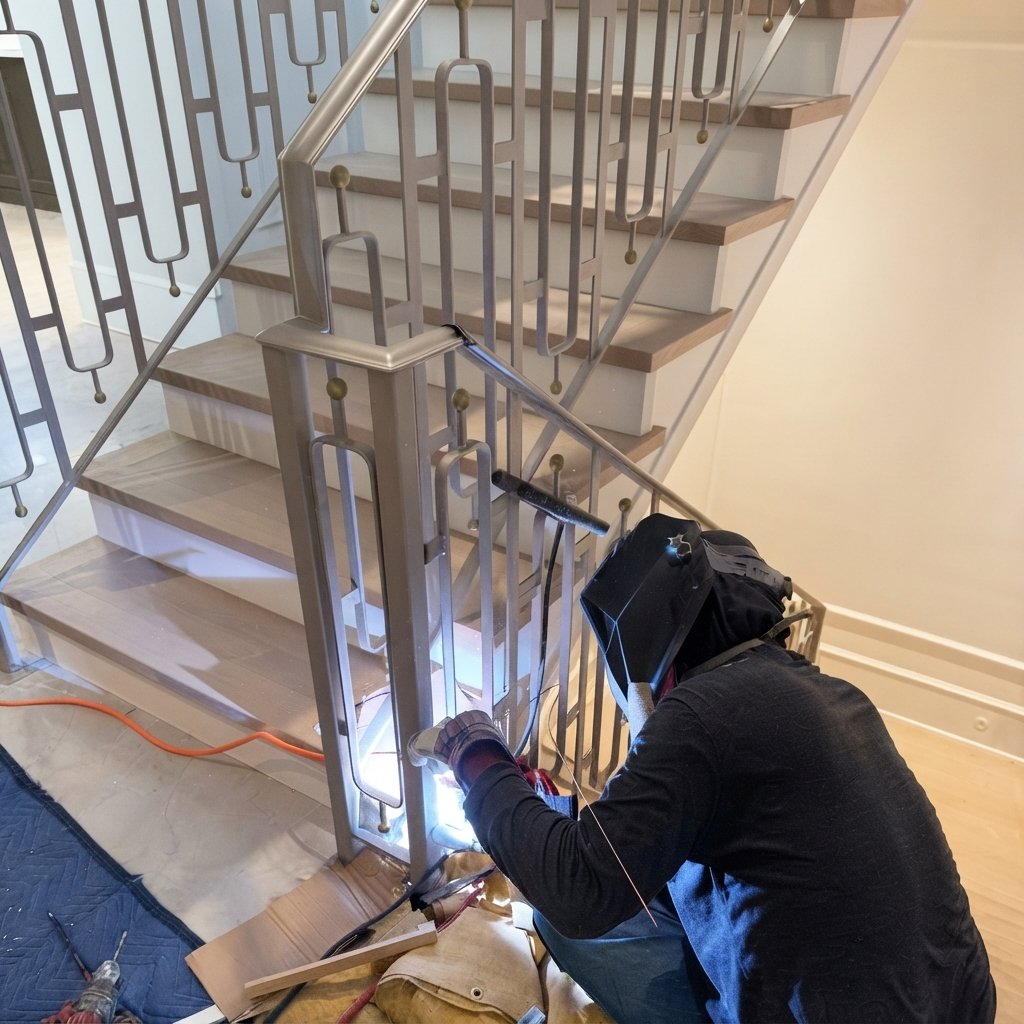
- Fabricate the balusters, newel posts, and rail in the shop
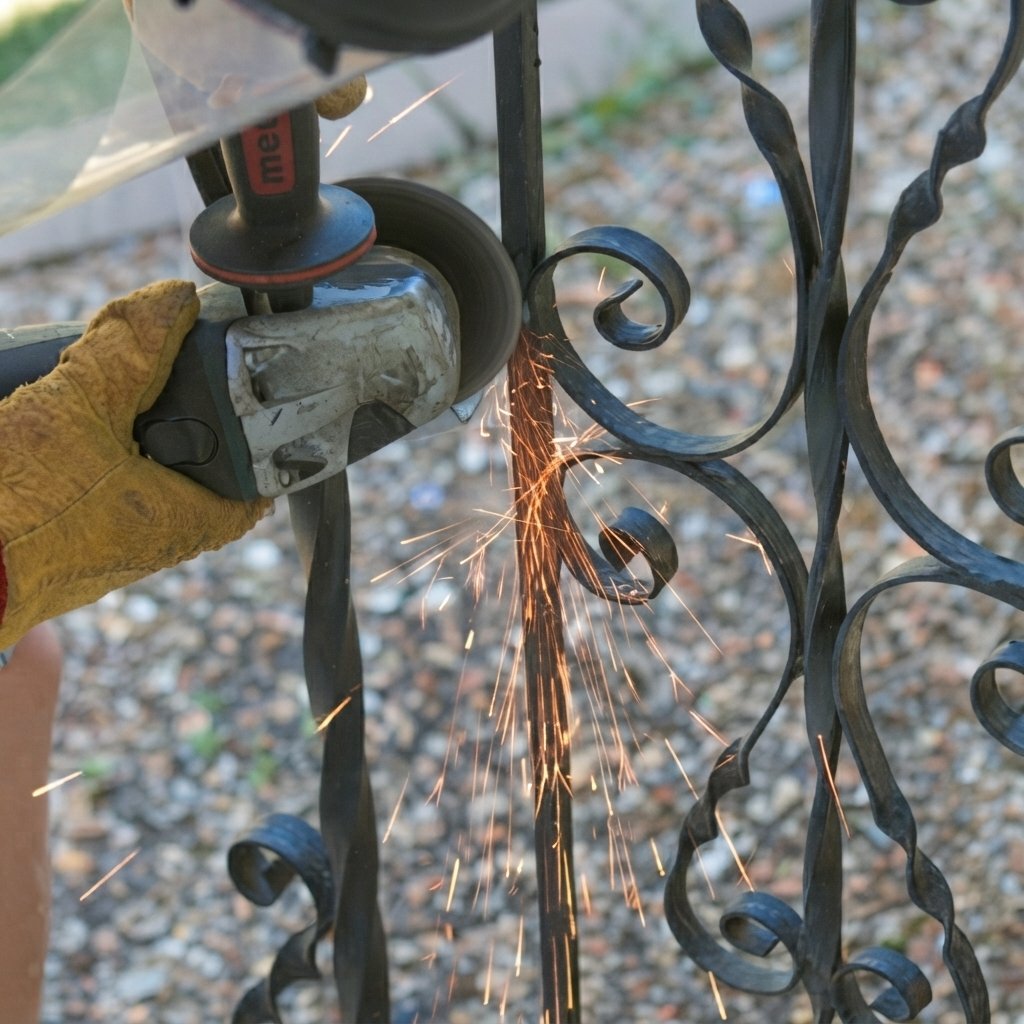
- Weld and grind every joint smooth — no gaps, no visible seams
- Set the rail on install day and walk the staircase with you before we call it done
Skip the template step and you end up with a railing that rocks or leaves a gap you can slide a hand through. Installation usually runs one to two days — longer for anything with a curve or spiral element.
Frequently Asked Questions
How do I know if my stair railing needs a repair or a full replacement?
Grab the railing and push it side to side. If it moves even a little, that’s usually structural and needs a closer look. A single loose baluster or a bent section from a move is often a quick repair, but rust that has eaten into the base plate or gaps wide enough to fit a basketball usually mean it’s time to replace the whole run.
What's the best railing material for a narrow or tight stairwell?
Thinner wrought iron balusters usually work best because they keep the sightline open. A tight spiral staircase in an older Glendale two-story can feel boxed in with heavy ironwork, so we scale the design down. Stainless steel and aluminum are lighter options too, especially where upkeep matters more than heft.