
Fire Escape Repair & Egress Stairs in Glendale: Built to Last, Not Just Patched
- 5.0 rating on Google reviews
- Licensed and insured
- Custom fabrication in steel, wrought iron, stainless, and aluminum
Signs Your Fire Escape or Egress Stair Needs Repair
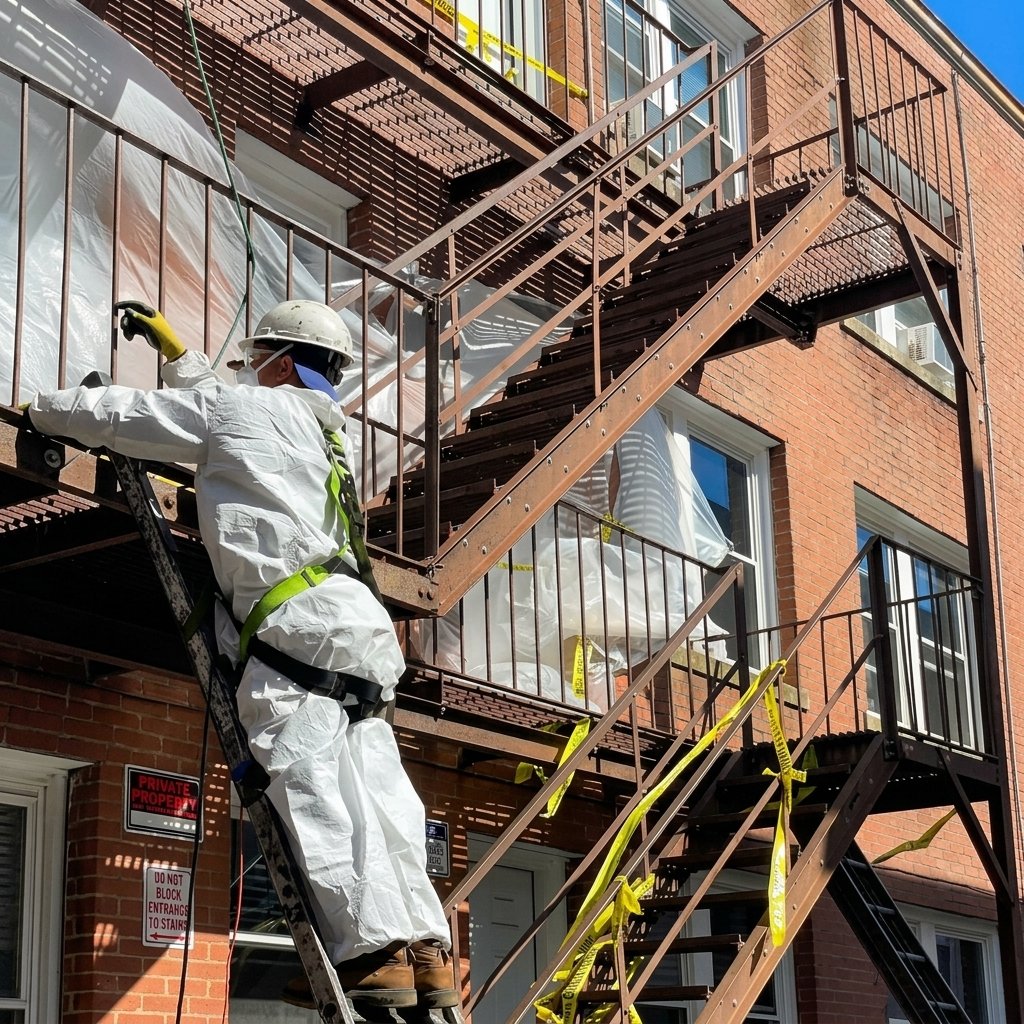
Rust bubbling through paint, wobbly stair treads, and gaps where bolts used to be are clear signs your fire escape or egress stair needs attention. New York’s freeze-thaw winters speed up corrosion on older exterior iron. If you can see daylight through a joint or feel movement when you step, don’t wait.
Rust is the big one. Surface rust on a railing is annoying but not urgent. Rust that’s flaking off in chunks, or that’s eaten through a support bracket, is a different story.
Glendale’s older multi-unit buildings have exterior iron fire escapes, many built decades ago. Winter salt, snowmelt, and repeated freeze-thaw cycles accelerate corrosion at welds and anchor points.
- Rust stains bleeding through paint or coating on stair stringers and railings
- Loose or wobbly treads that flex when you put weight on them
- Visible gaps or cracks where the fire escape attaches to the building wall
- Handrails that shake or feel loose when you grab them
- Missing or corroded bolts, brackets, or connection plates
Often, it’s the anchor points that fail first, not the stairs themselves — that’s the part bolted to brick or masonry, and it takes the most stress.
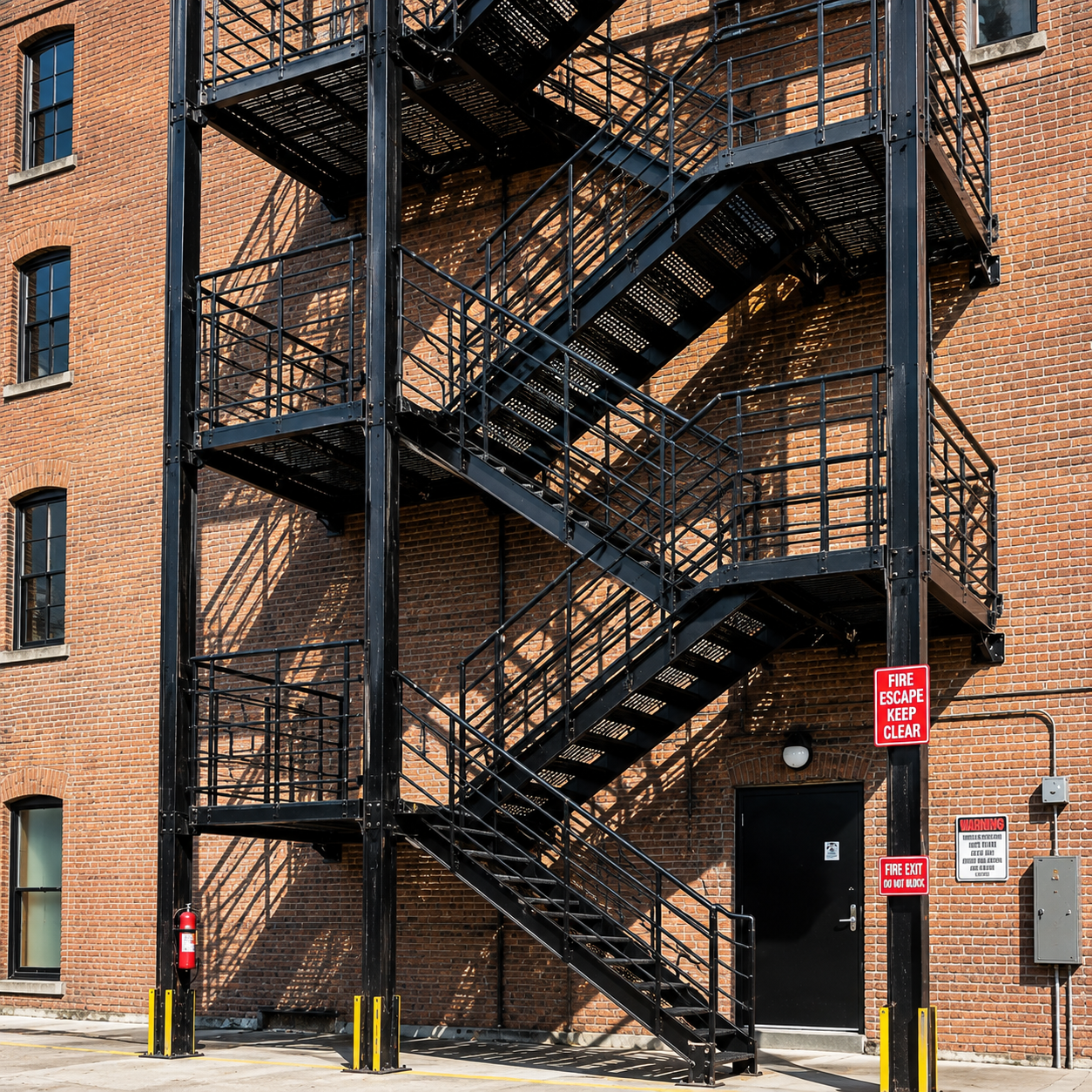
Fire Escape vs. Egress Stair: Know Which One You Have
Most folks say fire escape and mean two different things. A true fire escape is that classic exterior iron structure bolted to the side of an older building, ladders and platforms stacked up the wall. An egress stair is broader — any stairway required by code to let people get out safely, in iron, steel, or a mix depending on when the building went up.
Older multi-family buildings around Glendale often have classic riveted or welded exterior fire escapes bolted into the masonry; newer or updated buildings usually rely on enclosed or open-air egress stairs built into the structure itself. Either way, the same rules apply — it has to hold weight and it has to open when someone needs it. See our main service page for the full range of ironwork we handle.
When a Paint Job Won't Fix the Problem
A fresh coat of paint looks great, but paint doesn’t fix rust — it just hides it for a while. Paint sits on top of rust like a bandage on a wound that needs stitches, buying a few months before the flaking starts again and the metal underneath keeps thinning.
- Does the rust come back within a year of repainting, even in the same spots?
- Can you see flaking or bubbling paint with rust underneath it right now?
- Do the stair treads or platform feel soft, spongy, or like they flex under weight?
- Are there gaps where a weld has cracked or a bracket has pulled away from the wall?
If you answered yes to any of those, paint isn’t going to save it. Once rust has eaten into the actual steel, the fix is cutting out the bad section and welding in new material, not spraying over it.
Who Is Responsible for Fire Escape Upkeep
If you own the building, the fire escape is your job — not the tenant’s, not the super’s. Owners are expected to keep egress routes safe and usable at all times. Inspectors don’t care if a tenant painted over rust or hung a planter on the railing; the liability sits with ownership.
- Building owners: responsible for structural safety of the whole fire escape system
- Property managers: responsible for scheduling inspections and reporting concerns to ownership
- Tenants: responsible for keeping the platform clear, not for structural repair
We get calls from property managers who inherited a building with no repair history. The first move we make is a straightforward structural check, not a sales pitch.
Inspection, Filing, and Repair: What the Process Looks Like
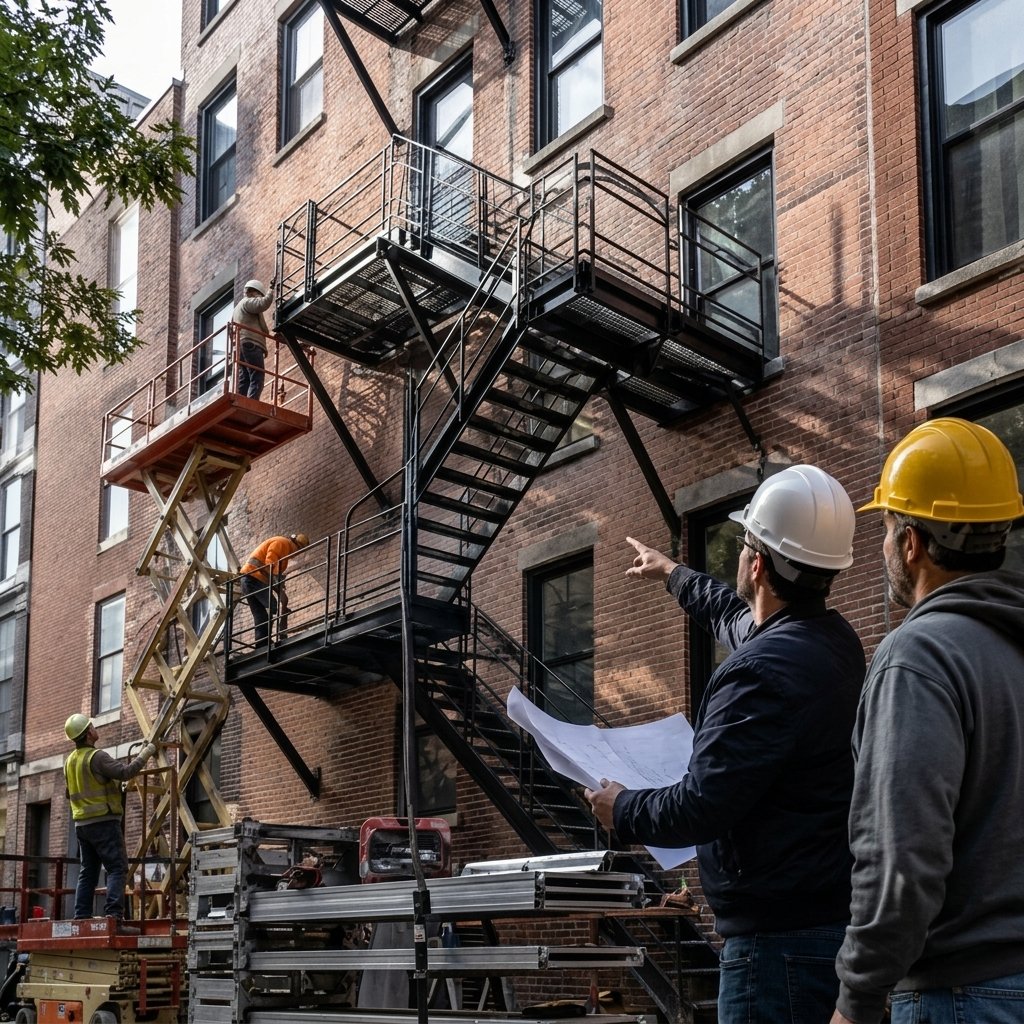
We start by walking the whole structure, not just the spot that’s bothering you. A loose tread on one level often points to a bigger issue two floors up.
- Inspect every connection point, weld, and anchor, not just the part you flagged
- Check the structure against current code requirements for egress stairs and fire escapes
- Document findings with notes and photos, and file paperwork if required
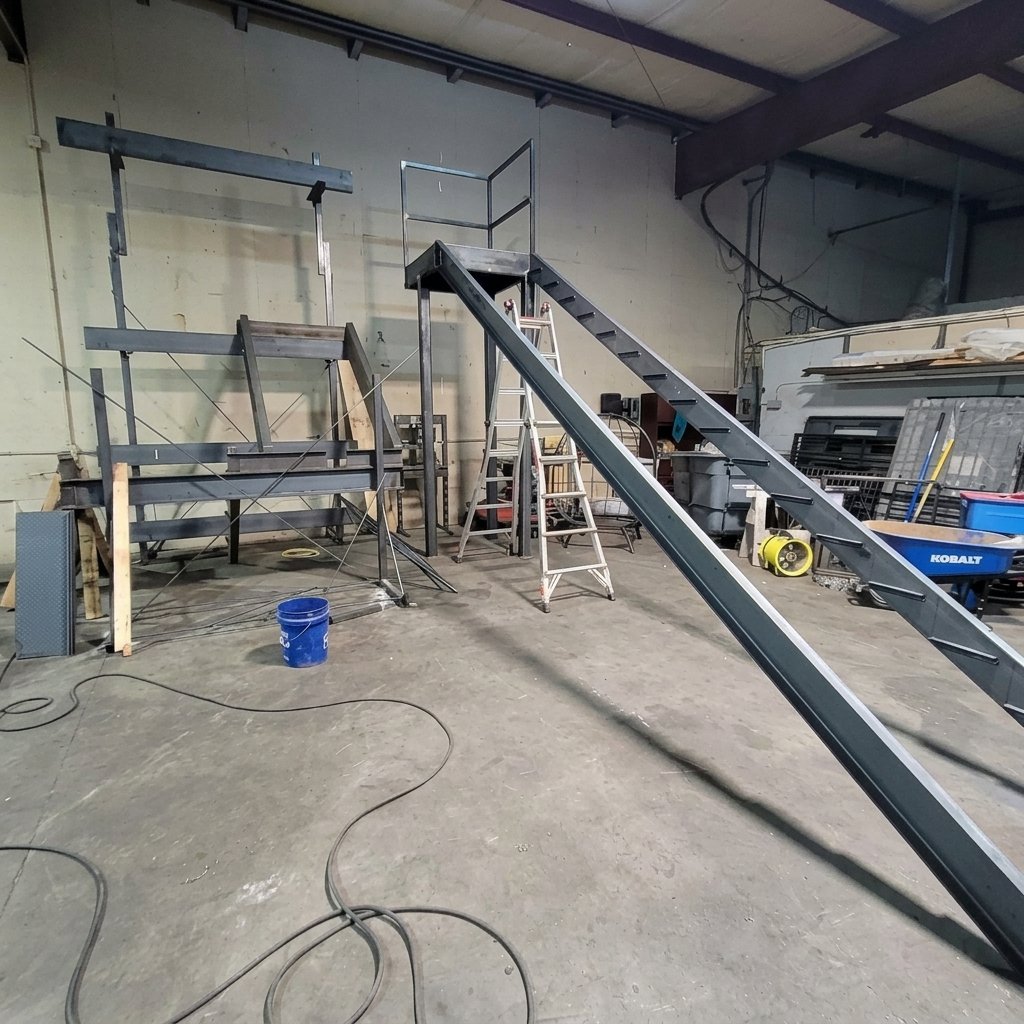
- Fabricate or repair the damaged sections in our shop, matching the existing iron where we can
- Reinstall, weld, and test everything on site before we call the job done
Some jobs stop at step one — if the structure’s sound and it’s just a handrail that needs tightening, we tell you that.
Frequently Asked Questions
How fast can you get out to look at my fire escape?
We schedule inspections quickly, usually within a few days. If bolts are missing or you feel movement when you step, say so right away — that moves you up the list.
Am I responsible for fire escape repairs, or is that on my tenant?
If you own the building, the fire escape is your responsibility, not your tenant’s or the super’s. That covers structural safety and keeping egress routes usable at all times. If you’re a property manager who inherited a building with no repair history, a straightforward structural check is the first step.
Why does my fire escape rust so much faster than I'd expect?
New York’s freeze-thaw winters are tough on exterior iron. Ice, snowmelt, and road salt speed up corrosion, especially at welds and anchor points. Many older multi-unit buildings around Glendale still have their original iron fire escapes from decades ago, and that structure takes the beating year after year without a break.