
Cornice Repair & Restoration in Glendale
- 5.0 rating on Google reviews
- Licensed and insured
- Custom fabrication in steel, wrought iron, stainless, and aluminum
Signs Your Balcony Railing Needs Attention
Rust bubbling under paint, wobble when you lean on it, and gaps at the base where it meets the concrete are the three biggest red flags — any one means the railing needs a closer look before you use that balcony again.
- Wobble or give when you push on the top rail
- Rust stains bleeding down the balcony face or wall
- Gaps or cracks where the posts meet the concrete or ledge
- Pitting or flaking on the metal itself, not just the paint
- Loose or missing bolts at the base plates
A lot of Glendale’s pre-war rowhouses and two-family homes still have their original iron balcony railings from decades back. Those have been through many New York freeze-thaw cycles — each winter, ice expands inside tiny cracks and pushes the rust further along. A coat of paint cannot fix that.
Here’s the honest test: if you wouldn’t want your kid leaning on it, don’t lean on it yourself.
Wrought Iron, Aluminum, or Stainless: Choosing the Right Material
No single best material exists for every Glendale home — the right choice depends on your home’s age, exposure, and existing details.
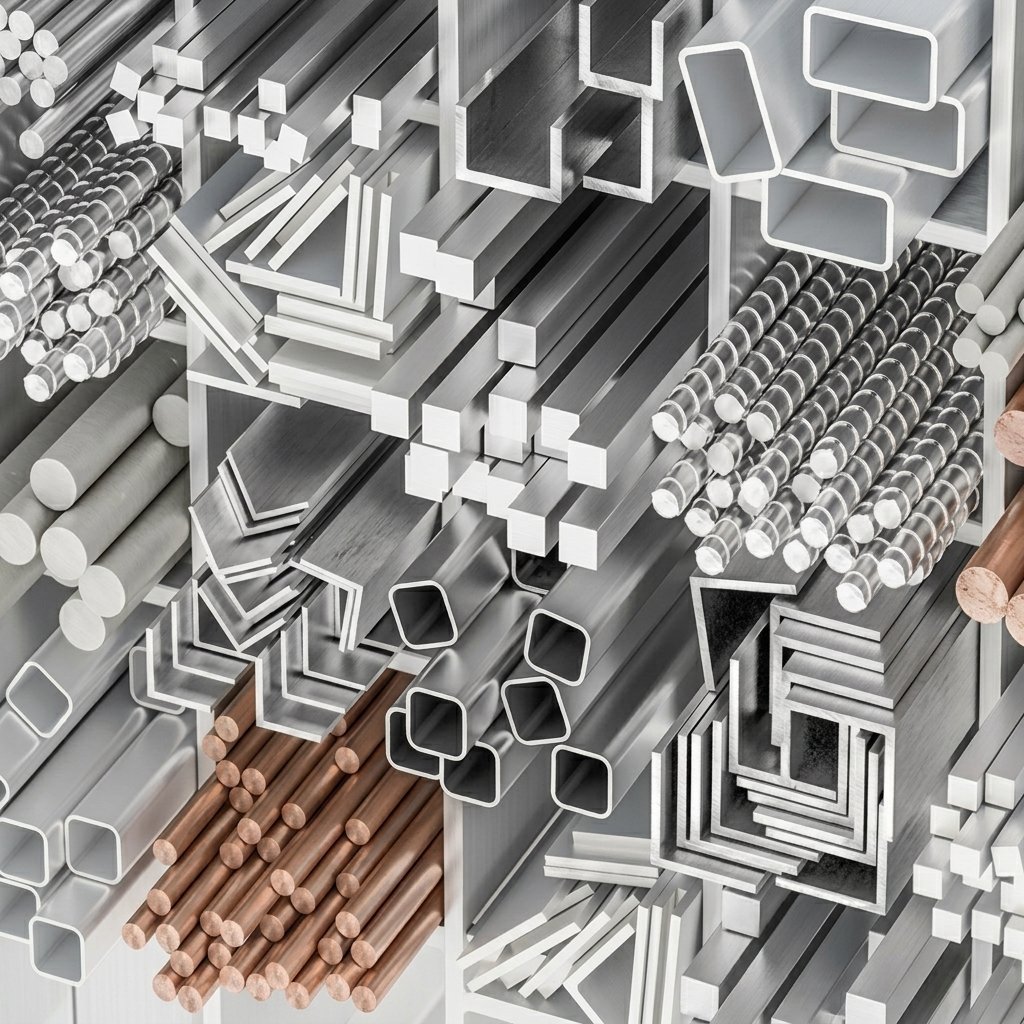
- Wrought iron: heaviest and strongest, for ornamental scrollwork on Glendale’s pre-war brick rowhouses. Needs recoating every few years.
- Aluminum: lightweight, powder-coated, virtually maintenance-free. A strong fit for newer construction with clean horizontal lines.
- Stainless steel: holds up well to New York’s humid summers and freeze-thaw winters. Common on cable or glass-panel railings.
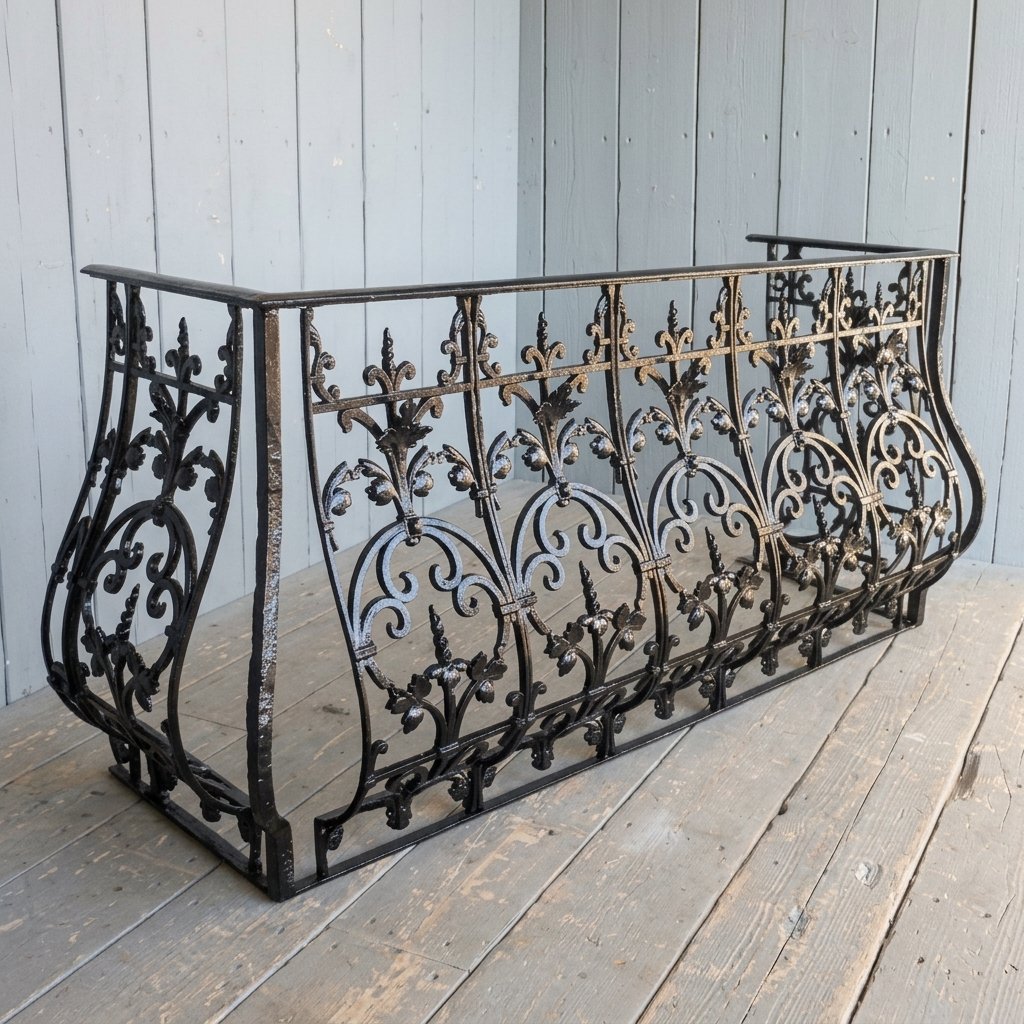
For homes near Central Avenue and Cooper Avenue with original early-1900s ironwork, the material decision is architectural. Stock aluminum kits can’t reproduce the scrollwork or hand-hammered texture on an original railing. Custom fabrication solves this by working from a section of existing ironwork, so the balcony stays visually consistent with the rest of the home.
Repair or Replace: How to Tell the Difference
Not every railing problem means starting over. Give the top rail a firm push. A little give at one post usually means a loose weld or a base plate that pulled away — that’s a repair. Widespread wobble across the whole span, or rust eaten through the metal in more than one spot, is a different story.
- Surface rust or peeling paint on iron that still feels solid when you push on it – clean, prime, repaint
- One or two loose balusters or a single bent picket – straighten or swap the piece
- Rust bubbling up through multiple sections, or metal that’s flaking apart in your hand – replacement territory
- Railing height that no longer meets code because of past patch jobs or a DIY swap
- Base plates pulling away from a balcony slab, especially after freeze-thaw seasons
Once the anchoring point is compromised, patching the railing itself doesn’t fix the real problem underneath. Our free estimate includes an honest look at the whole railing, not just the spot you called about.
Frequently Asked Questions
How soon can you come look at my balcony railing in Glendale?
We schedule free estimates quickly across Glendale and neighboring Ridgewood and Forest Hills. When you call, we ask about the rail’s age and any wobble or rust you’ve noticed, then check the whole railing on site, not just the spot that worries you.
Can you match a new balcony railing to my home's original ironwork?
Yes, we replicate original patterns like scrollwork and rosettes by working from a section of your existing railing. This matters most on Glendale’s early-1900s rowhouses, where the original ironwork sets the character of the whole block. Stock aluminum kits only come in a handful of fixed patterns, so a custom match keeps your balcony visually consistent with the rest of the house.