Landmark & LPC-Compliant Ironwork in Glendale: Keep Your Approval on Track
- 5.0 rating on Google reviews
- Licensed and insured
- Custom fabrication in steel, wrought iron, stainless, and aluminum
Determining Whether Your Property Falls Under LPC Review
If your building sits inside a designated historic district, or it’s an individual landmark, any visible ironwork change likely needs LPC review first. Not sure which category you’re in? A quick look at your building’s exterior details usually tells us.
Glendale has two federally recognized historic districts — the Central Avenue Historic District and the Cooper Avenue Row Historic District — plus individually landmarked buildings elsewhere. Older Glendale properties with original cast iron fencing, decorative stoop rails, or fire escapes often carry landmark status without owners realizing it.
Individual landmark buildings get the strictest review. Historic districts are more flexible, but exterior ironwork facing the street usually needs approval. Interior stair railings almost never trigger review.
- Check if your address sits inside a designated historic district boundary or on a landmarks list
- Look at whether the ironwork is visible from the street or a public sidewalk
- Note the building’s construction era — pre-war structures are more likely to carry protections
Most Glendale Homes Don't Need Landmarks Approval
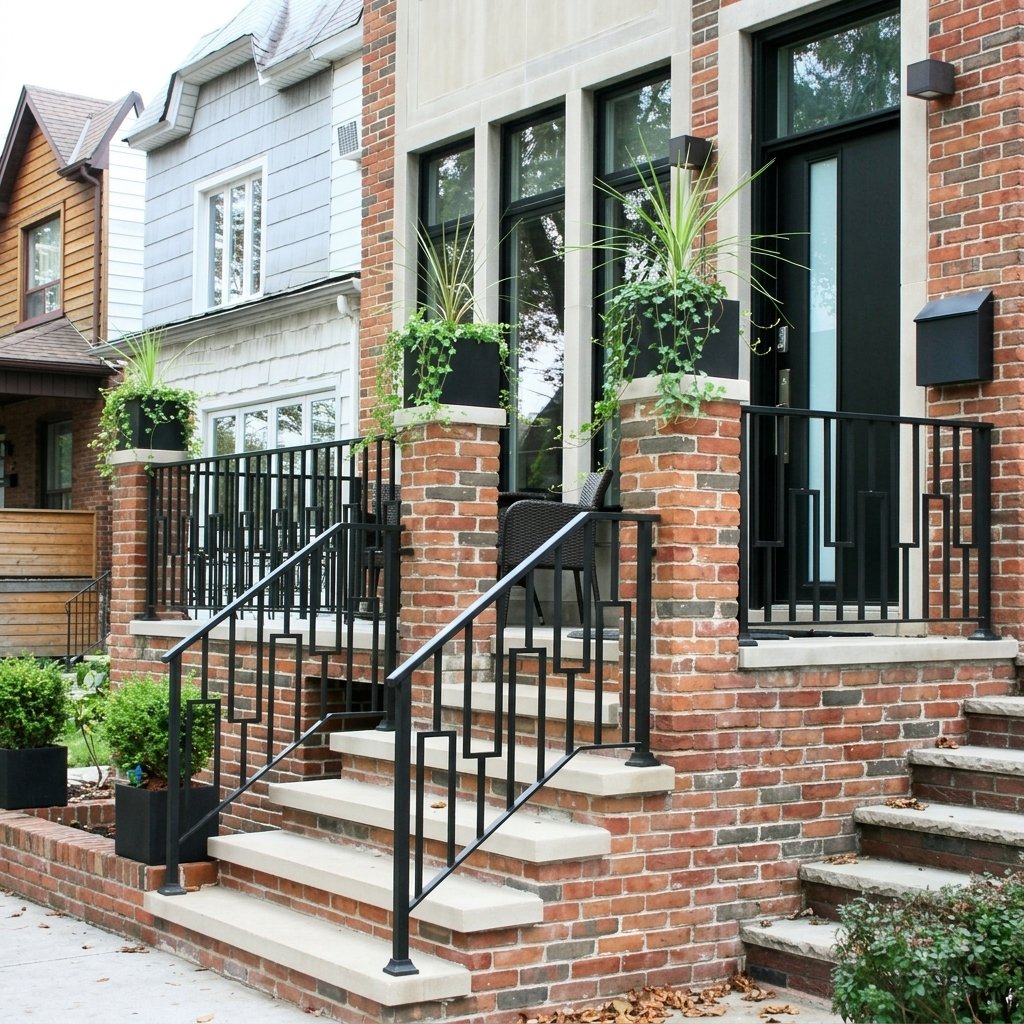
Most homes in Glendale are not landmarked. If your building isn’t on a designated historic register or inside a recognized historic district, you don’t need LPC-style approval for your railing, gate, or fence project — you just need good ironwork. A cast iron fence from the 1940s on a regular residential lot is just a fence.
- Your property sits inside a designated historic district boundary
- The building itself is individually landmarked, not just old
- A prior owner or the city has documentation citing the structure’s historic status
If none of those apply, skip the paperwork and focus on matching the style, material, and craftsmanship of what’s already there.
Certificate of No Effect vs. Certificate of Appropriateness
LPC doesn’t hand out one permit — it hands out two, and they aren’t the same thing.A Certificate of No Effect is the fast lane, granted when the ironwork you’re r eplacing matches what’s already there: same style, same material, same profile. Repairing a fire escape ladder rung or swapping a rusted stoop railing baluster for an exact match usually falls here, approved without a public hearing. We build a lot of our replication pieces specifically so they qualify for this path.
A Certificate of Appropriateness is different — needed whenever the work changes how the building looks from the street: a new gate design, added ironwork where none existed, or a style shift from the original. That review can involve a public hearing and takes longer.
- Exact replication of existing style and material, usually a Certificate of No Effect
- New design, added ornamentation, or a different metal finish, usually a Certificate of Appropriateness
- Visible from a public street or landmark district sightline, more likely to trigger full review
- Interior-only ironwork on a landmark building, often outside LPC jurisdiction entirely
We walk clients through this before a single bar of iron gets cut. Guessing wrong here costs months, not days.
In-Kind Fabrication That Satisfies LPC Review
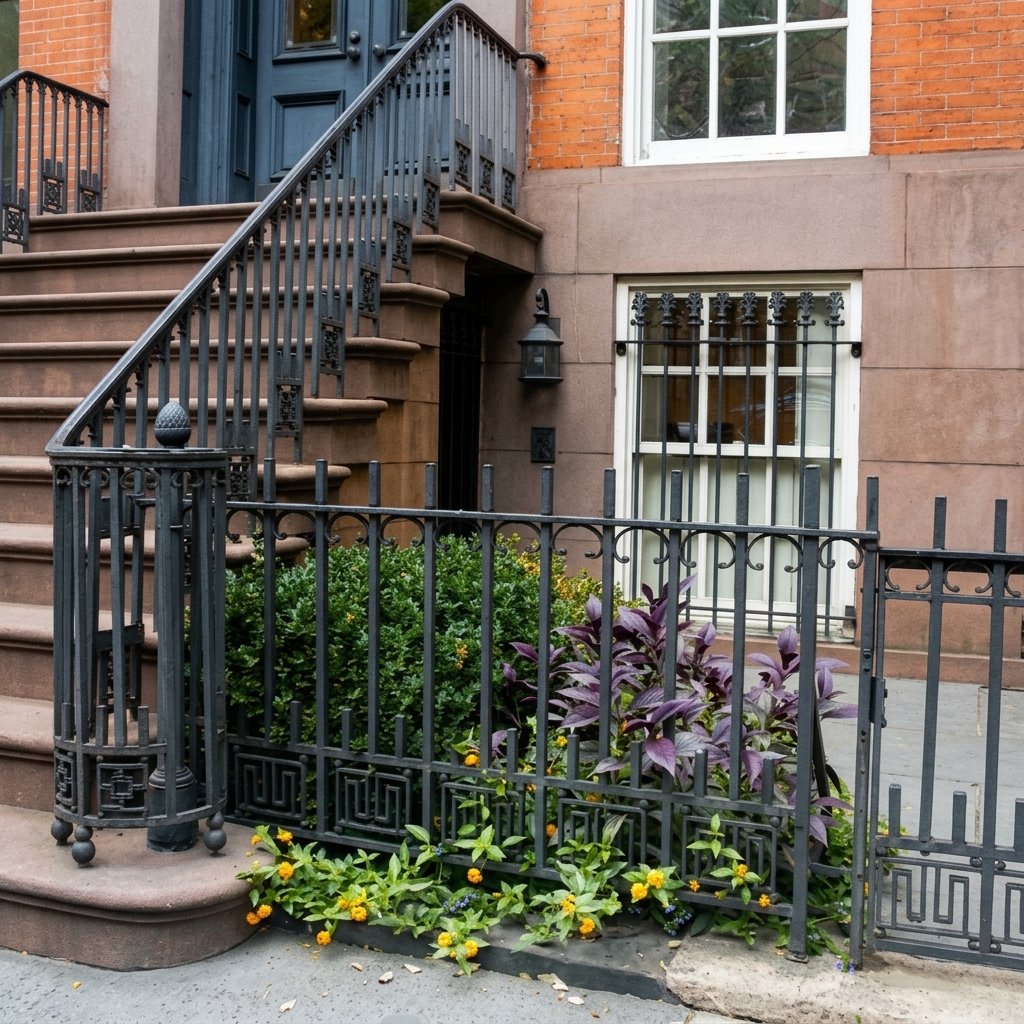
In-kind means the new iron has to match the old iron, not just look close. Landmarks staff compare photos, profiles, and dimensions against what’s already on the building — a picket a quarter inch off in width can get flagged.
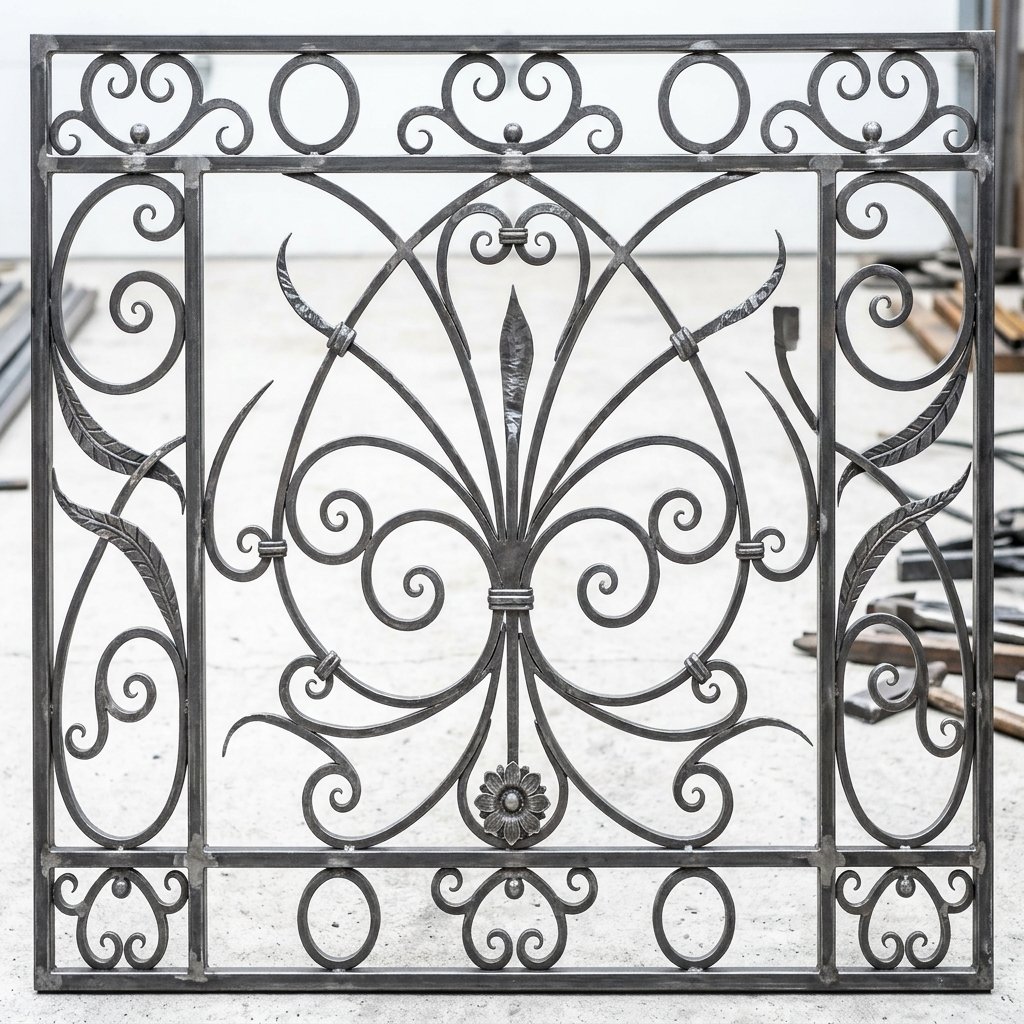
We forge and fabricate custom iron pieces by hand, reproducing the twist patterns, baluster spacing, and finial shapes on older Glendale buildings where fire escapes and stoop railings were originally hand-wrought.
- Matching material type, so wrought iron gets replaced with wrought iron, not a substitute
- Duplicating the exact profile and dimensions of pickets, rails, and posts
- Reproducing decorative elements like scrolls, finials, and rosettes by hand where the original was hand-forged
- Keeping joinery methods consistent with the era, since welded joints can read differently than riveted or forged ones
You don’t need to match the whole railing if only one section failed. Good in-kind work often means splicing new fabric into old, clean enough that you can’t tell where one ends and the other begins.
Fire Escape Ironwork and Building Safety Inspections
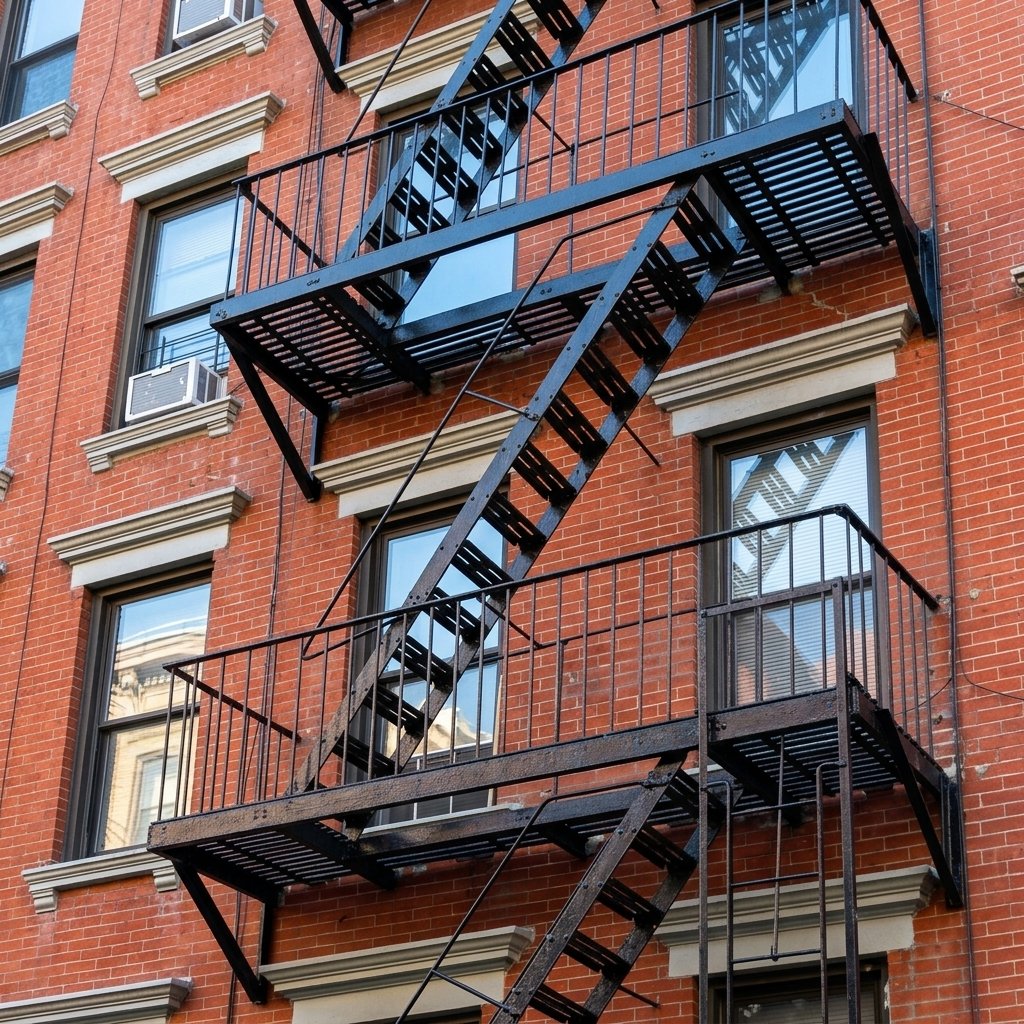
Fire escapes get inspected — on a landmark building it gets more complicated fast. An inspector doesn’t care that your facade is protected; they care if the steel is rusted through or the railing wobbles. But once you try to fix it, the landmark rules kick in, and you can’t just weld in a modern replacement part.
- Corroded or thinned steel at the anchor points where the escape bolts to the wall
- Ladders or drop-down stairs that no longer release smoothly
- Missing or altered decorative elements that changed the building’s protected appearance
Frequently Asked Questions
How do I know if my Glendale property needs LPC approval before I fix my ironwork?
You likely need LPC approval if your building sits in a designated historic district — including the Central Avenue and Cooper Avenue Row districts — or is an individual landmark. If unsure, call us and we’ll walk the property with you first.
What's the difference between a Certificate of No Effect and a Certificate of Appropriateness?
A Certificate of No Effect covers repairs that match the existing ironwork exactly in style and material, approved without a hearing. A Certificate of Appropriateness is needed when the work changes how the building looks from the street, like a new gate design — that review takes longer and can involve a public hearing.
Can you match my building's original ironwork style exactly?
Yes, in-kind fabrication means matching the old iron’s material, profile, and dimensions, not just getting close. We forge pieces by hand to reproduce twist patterns, baluster spacing, and finial shapes common on older Glendale buildings — hand craftsmanship is how we keep replacements passing review on the first try.