
Stainless Steel Railings in Glendale That Stand Up to Queens Weather
- 5.0 rating on Google reviews
- Licensed and insured
- Custom fabrication in steel, wrought iron, stainless, and aluminum
Signs a Stoop or Balcony Railing Needs Replacing
Rust bubbling under paint, wobble at the base, and pitting on the metal all point to a railing that’s past saving. Stainless steel railings solve the corrosion problem for good, especially on stoops and balconies that take direct sun and rain. Give it a push. If the railing moves more than a little at the post, the anchor is failing underneath the surface — that’s not cosmetic.
- Rust stains bleeding through paint near the base or welds
- Flaking or pitted metal you can flick off with a fingernail
- Noticeable wobble or give when you lean on the top rail
- Gaps between the railing and the stoop or balcony ledge
- Old iron that’s been repainted three or four times already
New York’s freeze-thaw winters are hard on untreated iron. Many of Glendale’s brick rowhouses still have original railings from decades back, and once the paint finish cracks, moisture gets underneath and starts eating the metal from the inside. We see this every week on stoop railings that looked fine from the sidewalk but felt loose the second someone leaned on them.
Stainless Steel vs. Painted Iron for Rowhouse Stoops
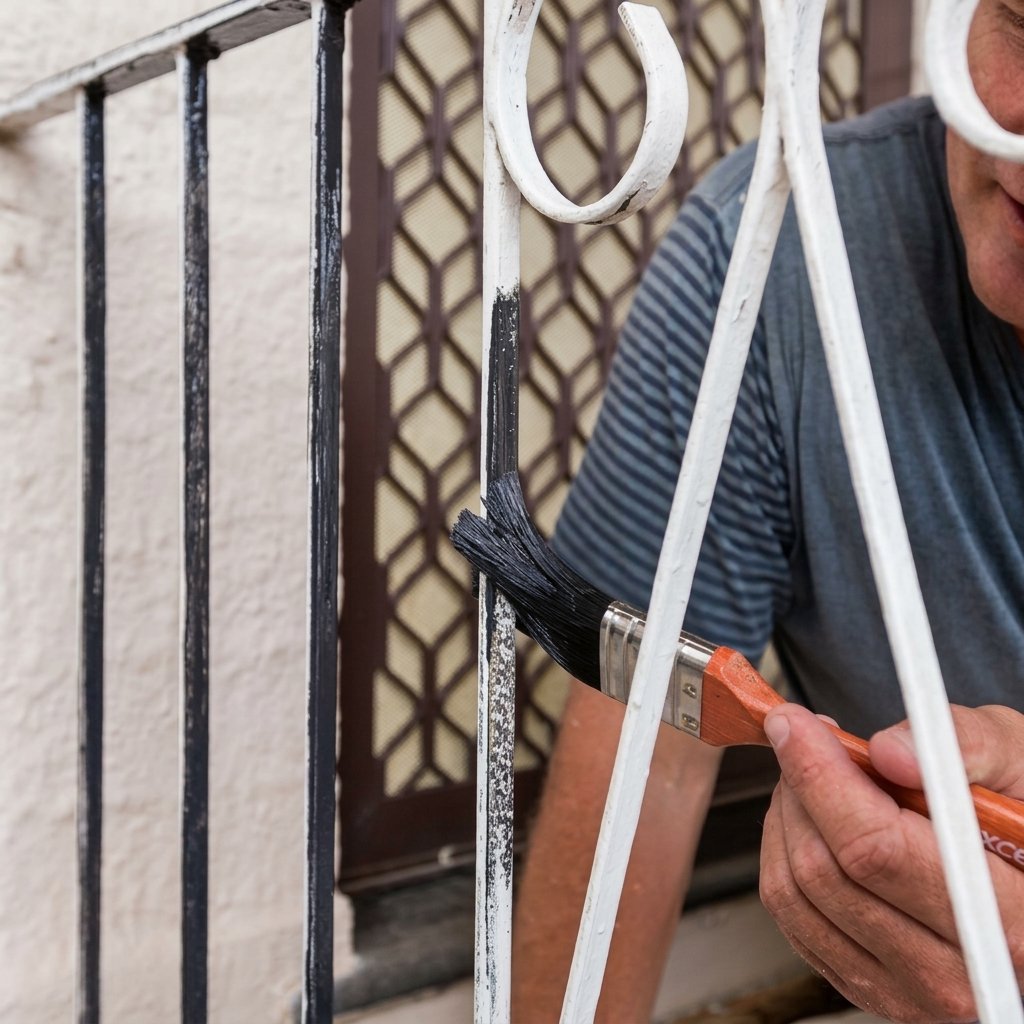
Here’s the real question we get on almost every stoop job: paint it or go stainless? Painted wrought iron looks classic, but New York winters chew through paint faster than most expect. We’ve pulled railings off stoops in older parts of Glendale where the paint had bubbled and flaked within a few years, even with a decent coat to start.
Stainless steel skips that whole problem — no paint layer to fail, no chipping, no rust bleeding through at the welds. A quick wipe-down keeps it looking sharp. For a stoop that sees direct sun most of the day, this matters more than people think.
Painted iron still has its place. If you’re matching a historic front elevation or a specific ornamental style, custom wrought iron work can be shaped and detailed in ways stainless sometimes can’t match exactly — that’s a design call, not a durability one. See our main service page for more on custom railing styles.
When Stainless Steel Isn't the Right Call
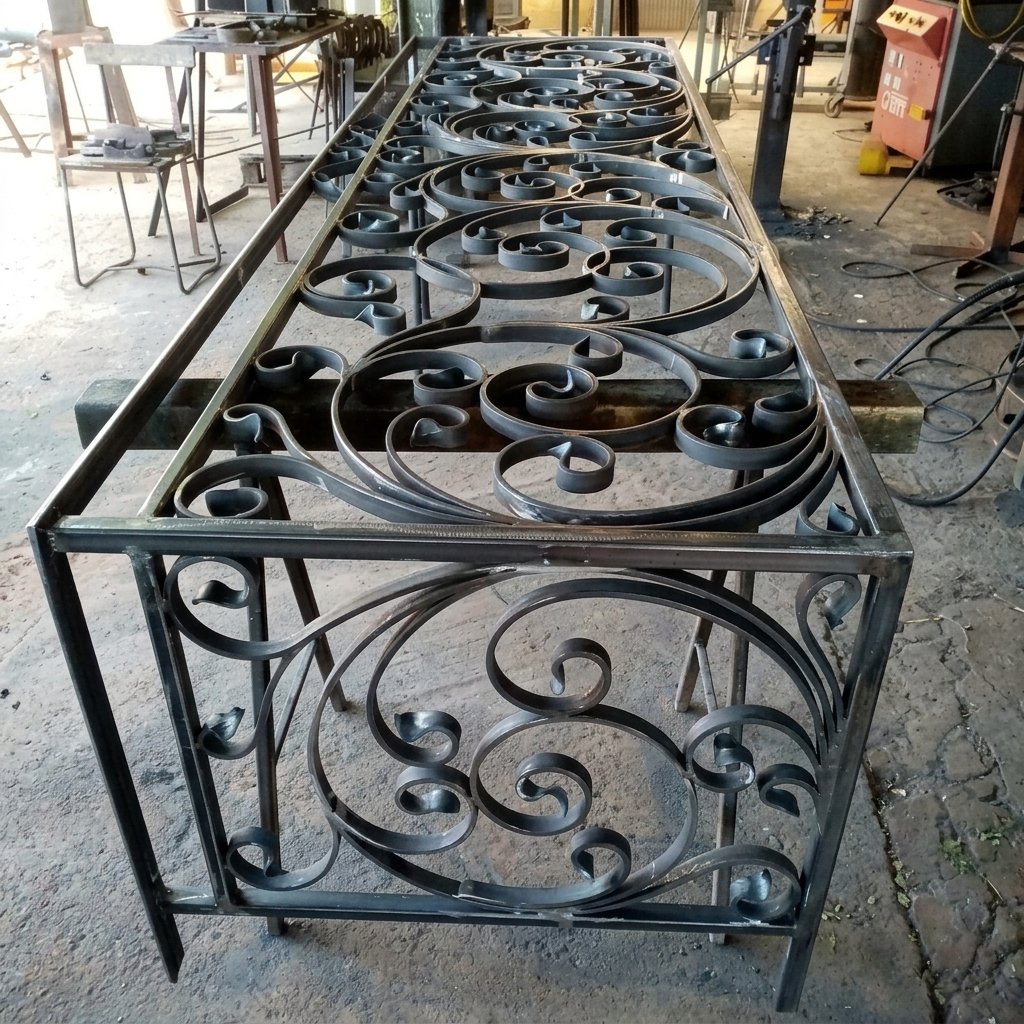
Stainless steel isn’t always the answer. Many of Glendale’s original rowhouses carry ornate hand-forged ironwork from the early 1900s, and a bright brushed-steel rail can look out of place next to that detail. Wrought iron usually fits that aesthetic better.
- You want an ornate, decorative look with scrolls or custom patterns — stainless is clean and modern, not fancy
- Your building has strict historic or landmark style guidelines that call for traditional iron detailing
- Budget is tight and the railing is purely functional, in a spot nobody sees, like a back utility stair
- You already have iron railings elsewhere on the property and want a matched, consistent look
A customer calls wanting stainless for a front stoop, but their whole block has classic wrought iron fencing from the same era. Mixing metals there can hurt curb appeal instead of helping it. Plenty of folks call us thinking they need stainless because it sounds low-maintenance, then find out a well-finished iron railing does the same job and looks better on their home.
Custom Fabrication, Installation, and What Pricing Depends On
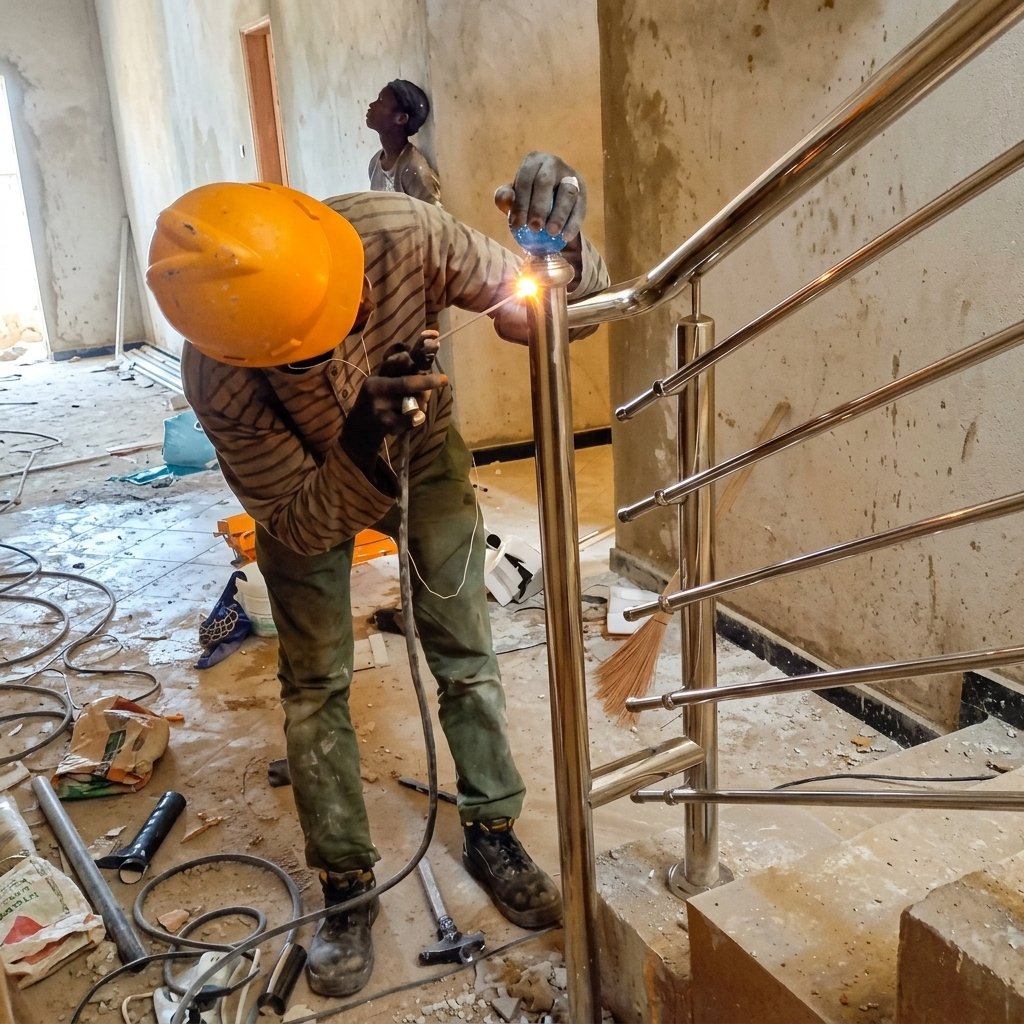
We don’t pull stainless steel railings off a shelf. Every run gets measured on site, cut, welded, and finished by hand. Old buildings settle and concrete cracks over years, so a rail that looks straight on paper won’t always sit flush once it’s time to install. Many Glendale stoops were poured decades ago and are rarely perfectly level anymore — that’s why we template on site instead of guessing from a tape measure alone.
- How much linear footage you need covered; straight runs cost less to fabricate than curves or angled turns
- The grade of stainless steel; 316 resists road salt better than 304 but costs more
- Finish choice; brushed holds up to fingerprints and daily wear better than a mirror polish
- Design complexity; cable infill and glass panels take more labor than simple vertical balusters
- Site conditions; uneven concrete or old anchor points can add prep work before installation even starts
Avoiding the Mistake That Undoes Stainless Steel's Value
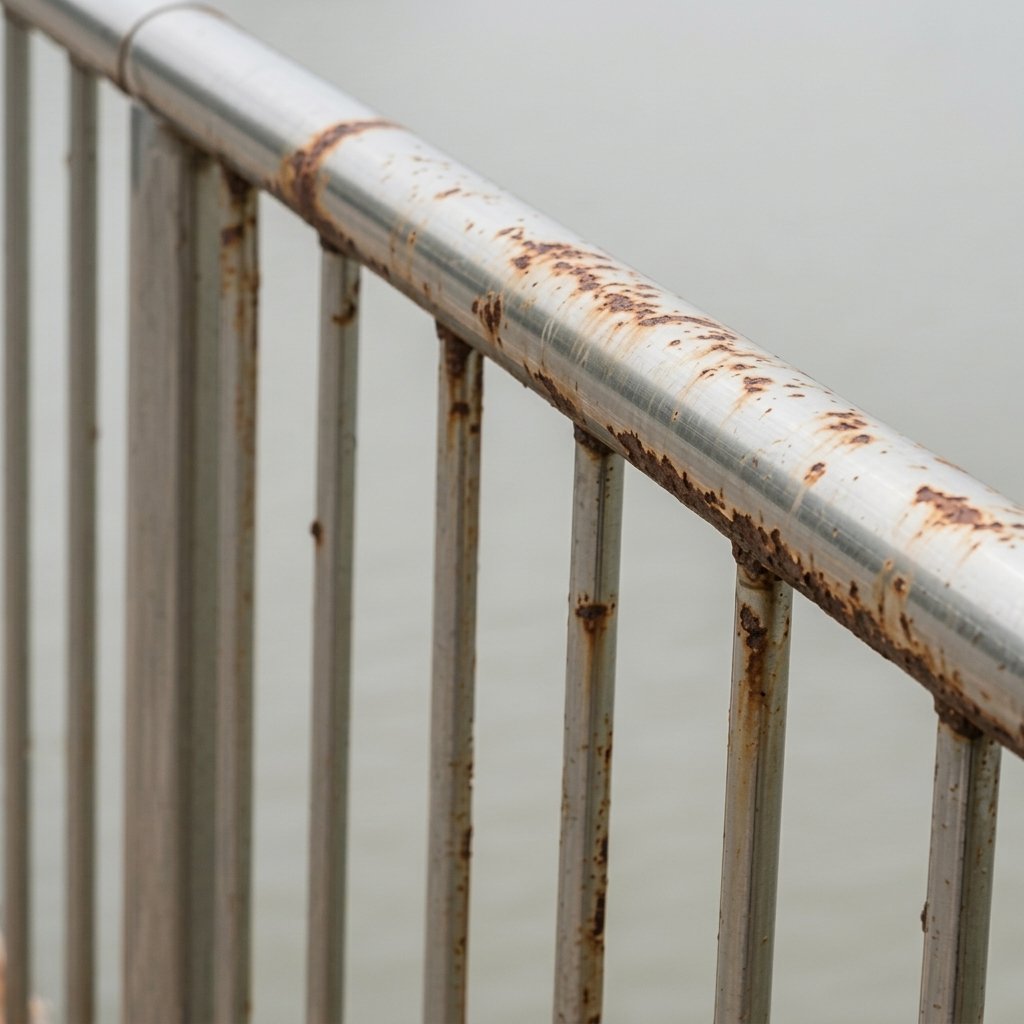
The metal isn’t the whole story. We’ve walked into homes with a two-year-old stainless railing that already has orange freckles running up the handrail. Rust spots on stainless almost never come from the metal itself — it’s contamination from carbon steel. If a shop cuts your stainless rail on the same table saw or grinds it with the same wheel used on regular iron, tiny iron particles embed into the surface, and those particles rust. Fabricators call it tea staining — a process problem, not a material problem, but the homeowner ends up blaming the wrong thing.
Grade matters too, though less than people think here. New York winters don’t demand marine-grade 316 the way a coastal property would; standard 304 holds up fine on most stoop and balcony jobs across Glendale. Where it matters more is keeping dedicated tools, wire brushes, and work surfaces just for stainless.
- Ask if they use dedicated tools for stainless fabrication
- Ask what grade they’re quoting and why for your setting
- Ask how welds get passivated after fabrication
Frequently Asked Questions
How do I know if my stoop or balcony railing needs replacing instead of repairing?
Give the railing a firm push. If it wobbles at the base, the anchor underneath is failing and paint won’t fix that. Other signs include rust bleeding through near the welds, pitted metal that flakes off with a fingernail, and gaps forming between the railing and the stoop. If you see two or more of these signs, it’s time to replace, not patch.
Should I pick stainless steel or painted iron for a stoop railing in Glendale?
Stainless steel is the better pick for stoops that sit in direct sun most of the day, since there’s no paint layer to chip or bubble. Painted iron still makes sense if you’re matching an ornamental or historic front — it’s a style choice, not just a durability one, and we’ll walk your stoop before recommending either.
What makes custom stainless steel railings cost more or less?
Linear footage matters, since straight runs cost less than curved or angled turns. Steel grade matters too, as 316 resists road salt better than 304 but costs more. Finish choice, design complexity like cable infill or glass panels, and site conditions such as uneven old concrete steps all factor in. Every railing is measured and templated on site first.