
Stoop & Front Porch Railings in Glendale That Stand Up to Winter
- 5.0 rating on Google reviews
- Licensed and insured
- Custom fabrication in steel, wrought iron, stainless, and aluminum
Signs Your Stoop Railing Has Failed, Not Just Aged
A little surface rust is normal and not urgent. Wobble, cracked welds, or a post that shifts when you grab it means the railing has failed structurally and needs attention now, not later.
Grab the top rail and give it a push. A railing that shifts even slightly under your hand has a loose post, a cracked weld, or a base plate that’s pulled away from the stone — that’s not cosmetic, that’s a fall waiting to happen.
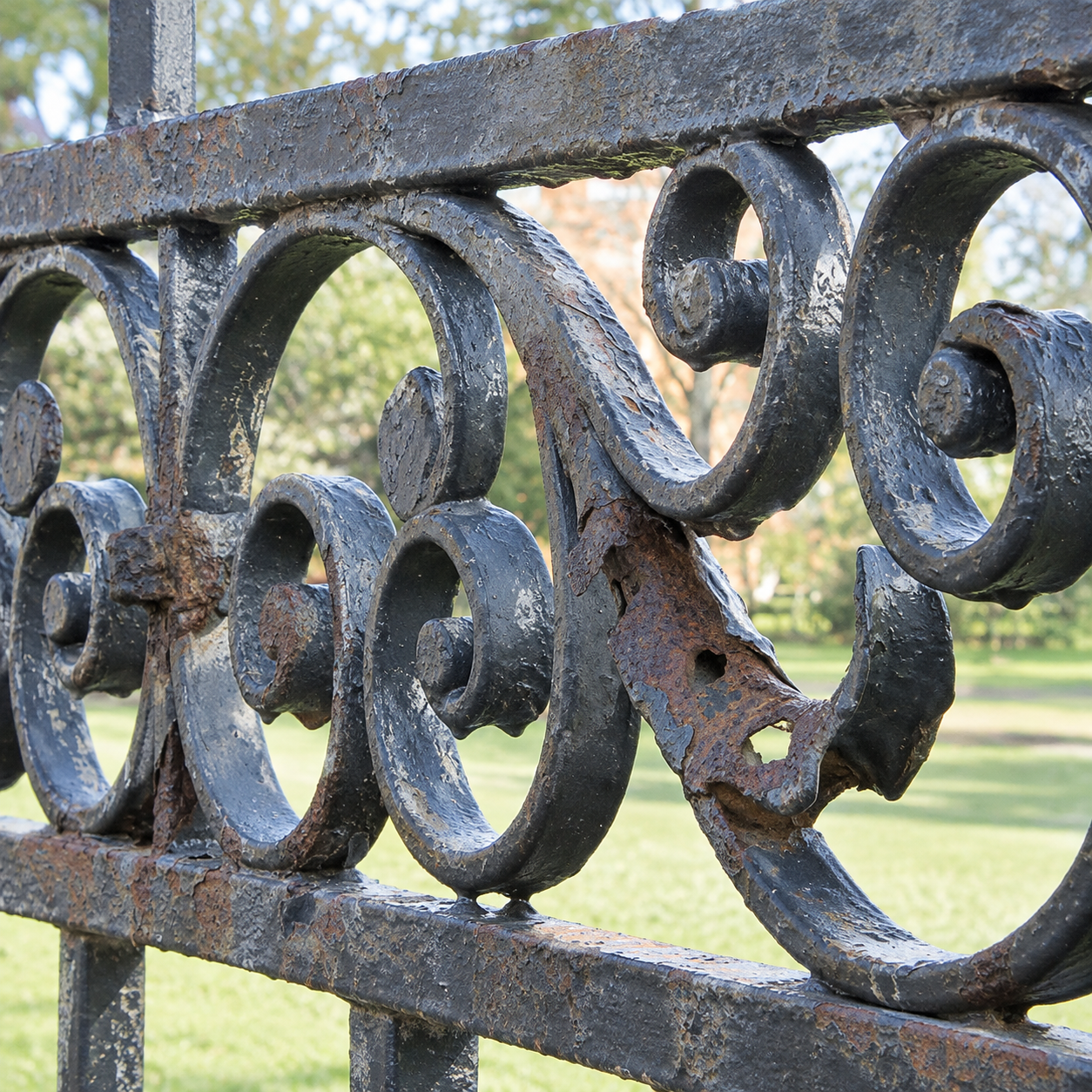
- Rust that’s turned into flaking or bubbling paint with pitted metal underneath
- A post that wiggles or rotates in its footing
- Visible gaps where the railing meets the stoop or the house wall
- Rust stains bleeding down the stone or concrete below the base plate
- A rail that feels colder or rougher in one spot, a sign the metal’s thinning out there
Glendale has many older homes with stone stoops built decades ago. If your railing is original to the house, age alone puts it closer to the failure end of this list than you’d think.
Material Options for Your Stoop Railing
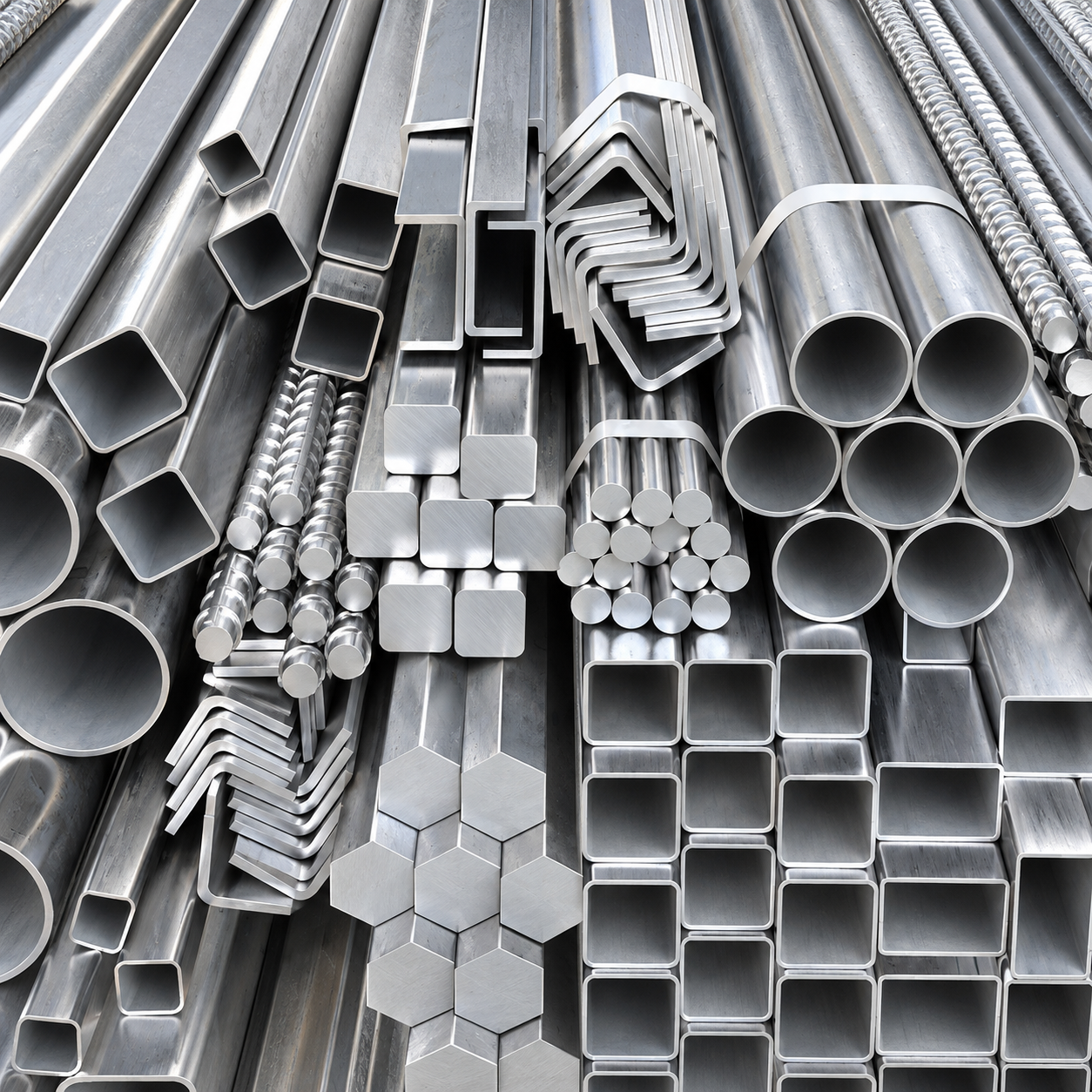
- Wrought iron: the classic choice for a stoop — heavy, strong, and shaped into scrolls or simple straight bars depending on your home’s style
- Stainless steel: holds up well against rust and needs less upkeep, a good fit for a cleaner, modern look
- Aluminum: lighter than iron and naturally resists corrosion, costs less to fabricate for long runs
When Refinishing Beats Full Replacement
Not every railing that looks rough needs to come out. If the iron itself is solid — no deep pitting, no cracked welds, no sections crumbling to the touch — refinishing and repair can bring it right back. Rust on the surface is cosmetic most of the time; structural rust is a different story.
We check the base where the posts meet the stoop, since that’s where moisture sits longest. We tap the rails and listen, and look for flaking that goes past the paint layer into the metal grain.
- Surface rust or peeling paint but the metal underneath feels solid
- One or two loose balusters instead of the whole run failing
- The design itself still works for the house; no code issues driving a full swap
- Posts are firmly set with no wobble at the base
If your railing checks those boxes, repair is usually the smarter move — it costs less, keeps the original character of the stoop, and takes less time than a full custom fabrication and install.
Replacing Stoop Railings on Glendale's Rowhouse Stoops
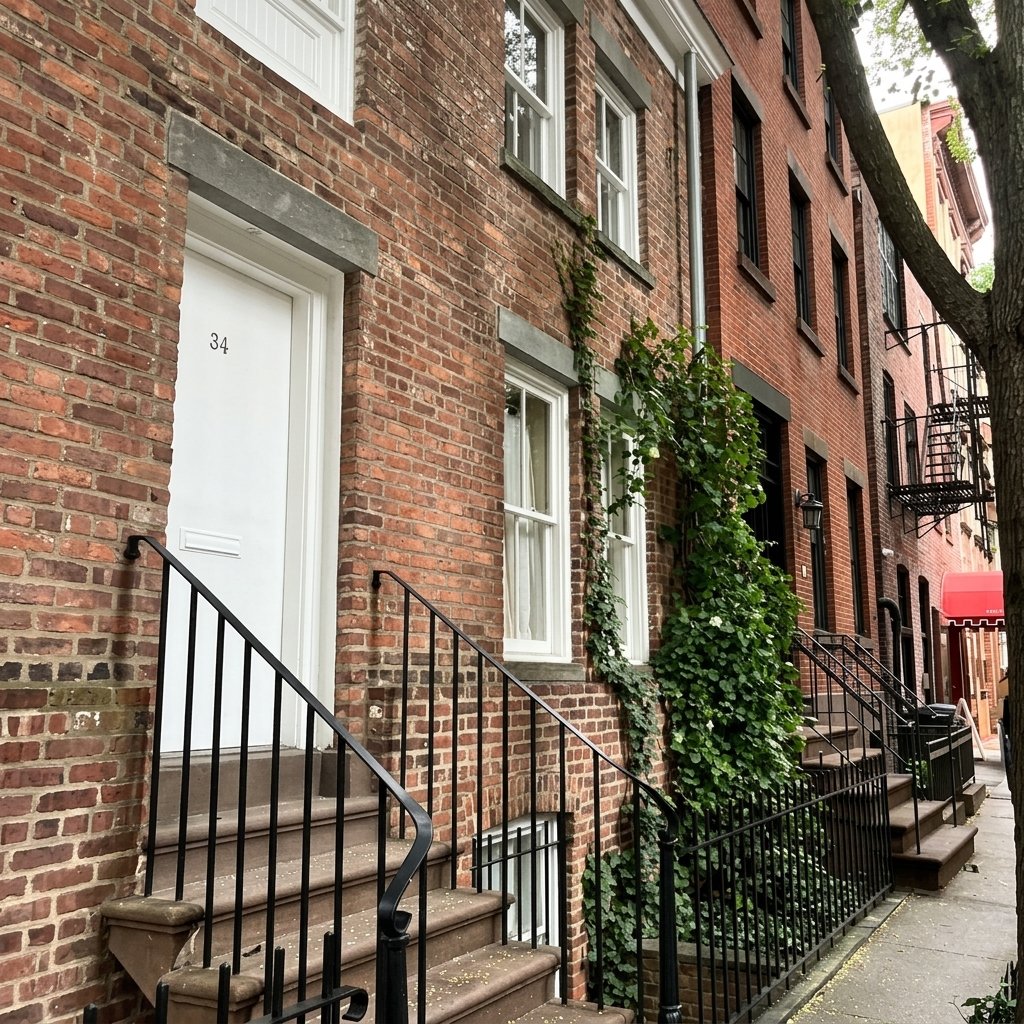
Glendale has many brick homes from the 1920s and 30s with a poured concrete stoop leading right up to the front door. The railing on those stoops was never designed to last a century — steel rusts from the inside out where the post meets the concrete, and once that base starts crumbling, no amount of patching holds it.
- The post wiggles more than an inch when you push on it
- Rust stains bleed down the concrete below each mounting point
- One or more balusters are missing or bent from years of use
- The railing height doesn’t meet current safety expectations for the stoop
When we replace a stoop railing, we’re not just bolting new iron into old holes. We core out the failed anchor points, set new posts deep enough to handle real weight, and match the design to your home’s era if that matters to you.
What Custom Railing Installation Involves
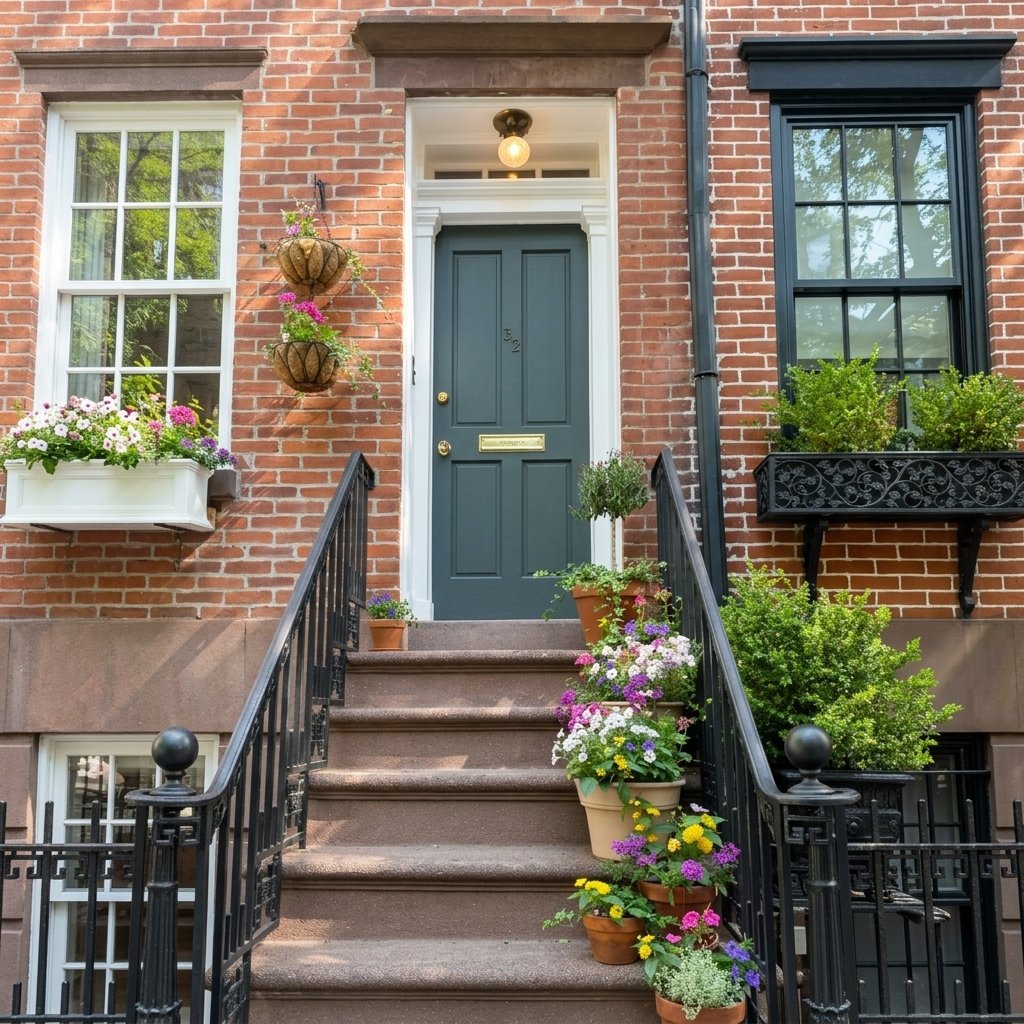
Most folks think we show up with a pre-made railing and bolt it on. We don’t. Older homes around Glendale and neighboring Ridgewood, with their brick fronts and stepped concrete stoops, rarely have square corners or matching rise heights on each step, so we build to what’s there.
- We come out and measure the stoop, steps, and porch, checking rise, run, and how the structure ties into the house
- We talk through style — iron, aluminum, or stainless steel — based on how the porch is used and what the home already looks like
- Our shop fabricates the railing piece by piece, welding and shaping it to match the exact angles measured on site
- We install and anchor it into the stoop or porch structure, checking every post for a solid, secure hold
- We do a final walk-through with you before we call the job done
The tricky part isn’t the railing itself, it’s the stoop underneath it. Concrete that’s cracked or settled changes how anchoring needs to happen — something we catch during that first visit, not after the iron’s already welded.
Frequently Asked Questions
Why do so many Glendale rowhouse stoop railings fail after winter?
Glendale’s brick rowhouses from the 1920s and 30s have concrete stoops with iron railings that were never built to last a century. Steel rusts from the inside out where the post meets the concrete, and freeze-thaw cycles push moisture deeper into that mounting hole every winter. Eventually the post wiggles, snaps, or the base crumbles outright.
How do I know if my railing needs repair or full replacement?
If the base posts are solid with no wobble and rust is only surface-deep, repair usually works fine. If a post wiggles more than an inch, or rust stains bleed down the concrete below the mounting points, you’re likely looking at full replacement. We’ll test both on site and tell you which one makes sense.
What material should I pick for a Glendale stoop railing?
It depends on your stoop’s style and how much upkeep you want to do. Wrought iron matches the old-world look on Glendale’s original stone and brick stoops and gives you the most design freedom. Stainless steel resists rust and needs less maintenance for a cleaner look. Aluminum weighs less and costs less to fabricate on wider porches.