Custom Iron Works in New York City
Hand-forged railings, gates, staircases, doors, and restoration work — built in our own Glendale, Queens shop and installed across all five boroughs.
- 30+ years in iron works and metal fabrication
- 5 star rating on Google reviews
- Licensed and insured
- Free estimates on every project
Iron Works and Metal Fabrication in New York City
European Custom Iron is an iron works and metal fabrication shop at 72-16 Myrtle Avenue in Glendale, Queens. Railings, gates, staircases, doors, fire escapes, restoration work — forged here, installed by us, across Queens, Brooklyn, Manhattan, and Staten Island.
None of it is stock. Old brick settles. Stoops aren’t level. No two openings in a hundred-year-old building measure the same, which is why we come out and measure the actual run before anything gets cut. Thirty years of building it that way, and a 5.0 rating across 92 Google reviews.
Why Owners Choose Us

Our Own Shop, Not a Middleman
We fabricate in-house at 72-16 Myrtle Avenue. That means we control the design, the welding, and the finish — and we can match a profile or a detail that no supplier stocks.

Thirty Years of Old-World Craft
Three decades in iron works and metal fabrication, using traditional blacksmithing techniques that off-the-shelf ironwork can't replicate. The same hands that draw the design forge the steel.

Measured for Your Building
City housing stock doesn't come in standard sizes. Stoop widths, stair angles, driveway openings, and cellar hatches all get measured on site before anything is cut.

Built for New York Weather
Salt, road de-icer, and freeze-thaw cycles are what actually kill ironwork here. Finishes are chosen for where the piece is going — an exposed stoop rail and an interior stair are not the same specification.
Our Services
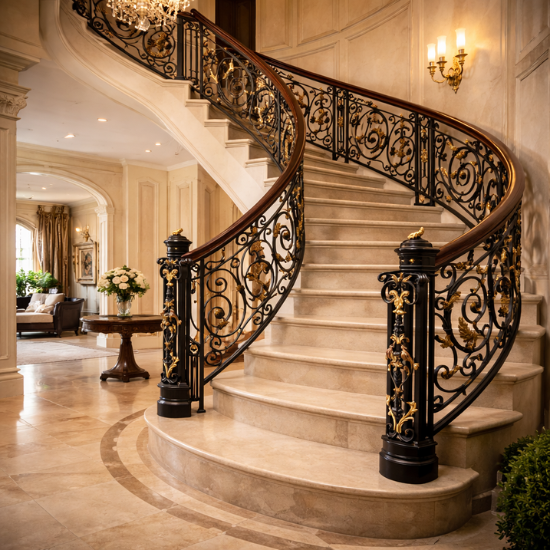
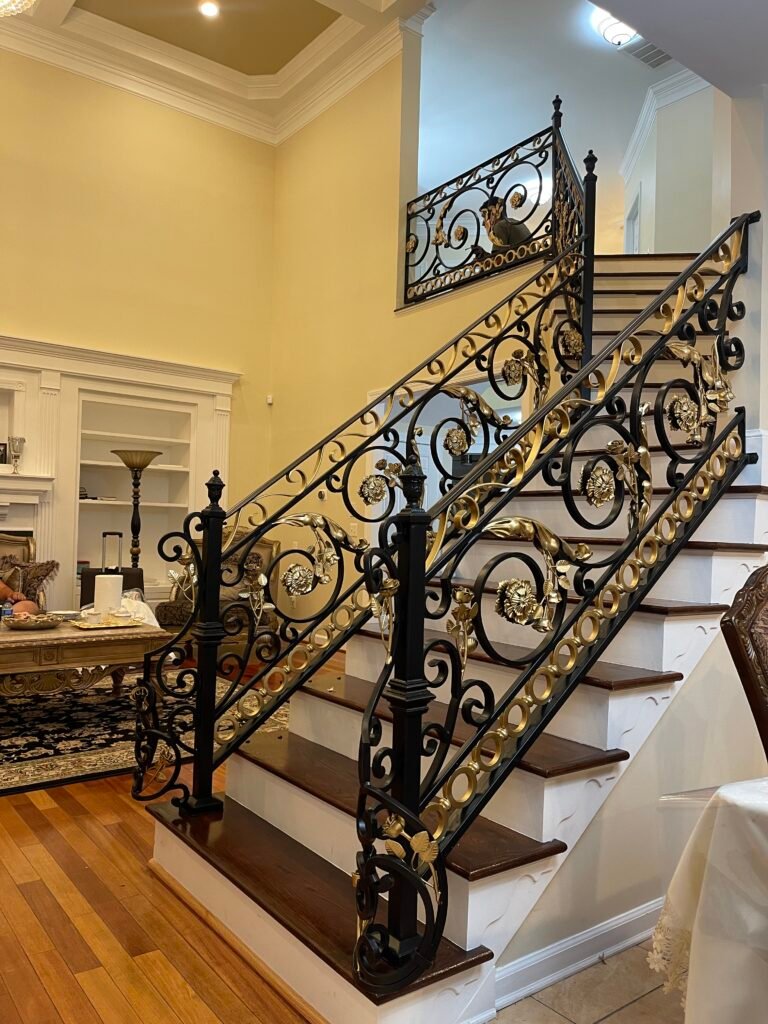
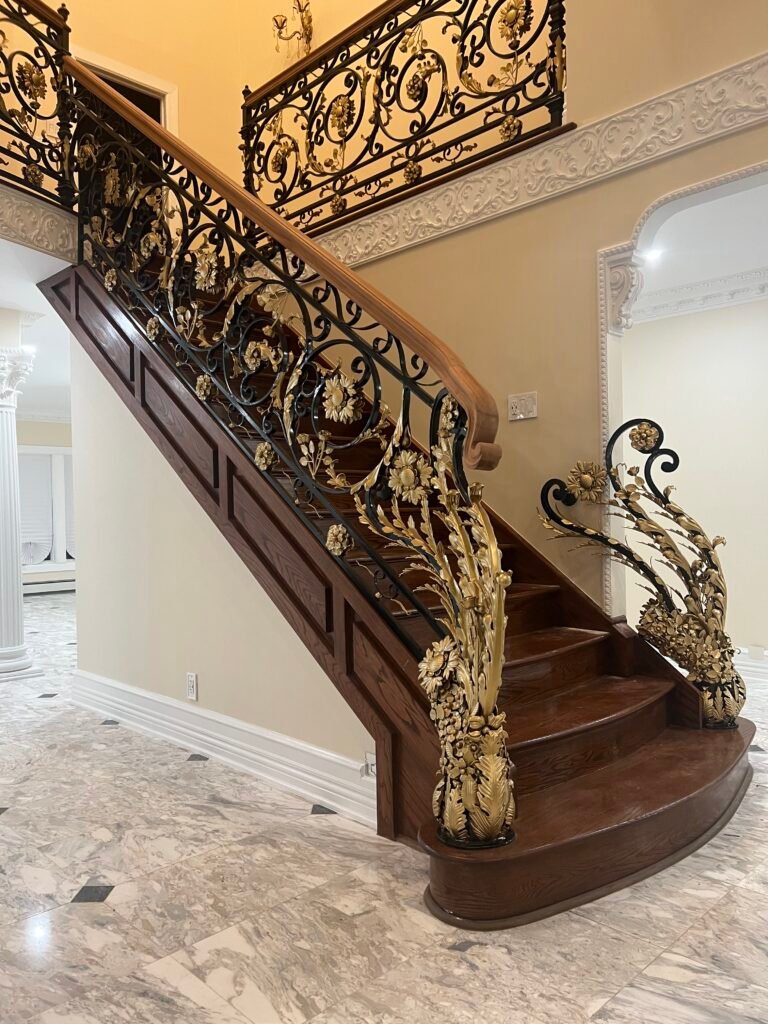
Custom Railings
Stoops and front porches, interior staircases, balconies, rooftop and terrace guardrails, and ADA-compliant commercial handrails — in wrought iron, stainless steel, or aluminum. We also repair and restore existing railings; rust, loose posts, and storm damage usually don't require a full replacement.
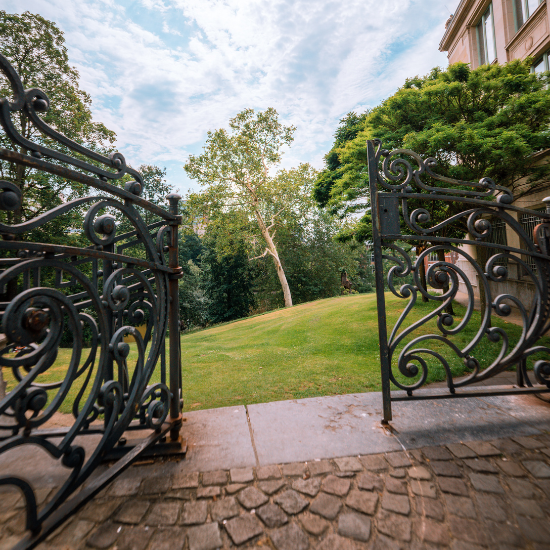
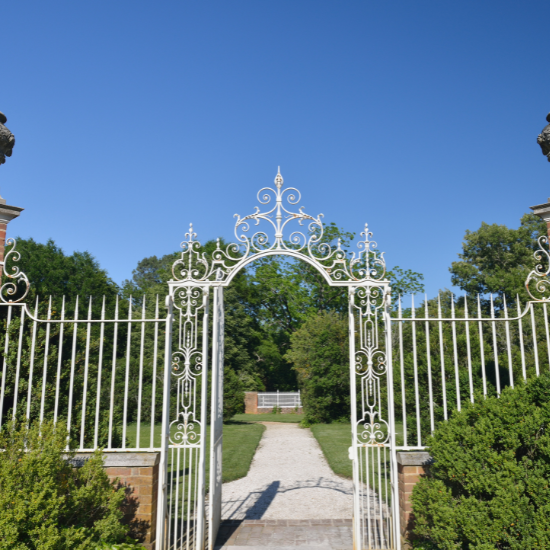
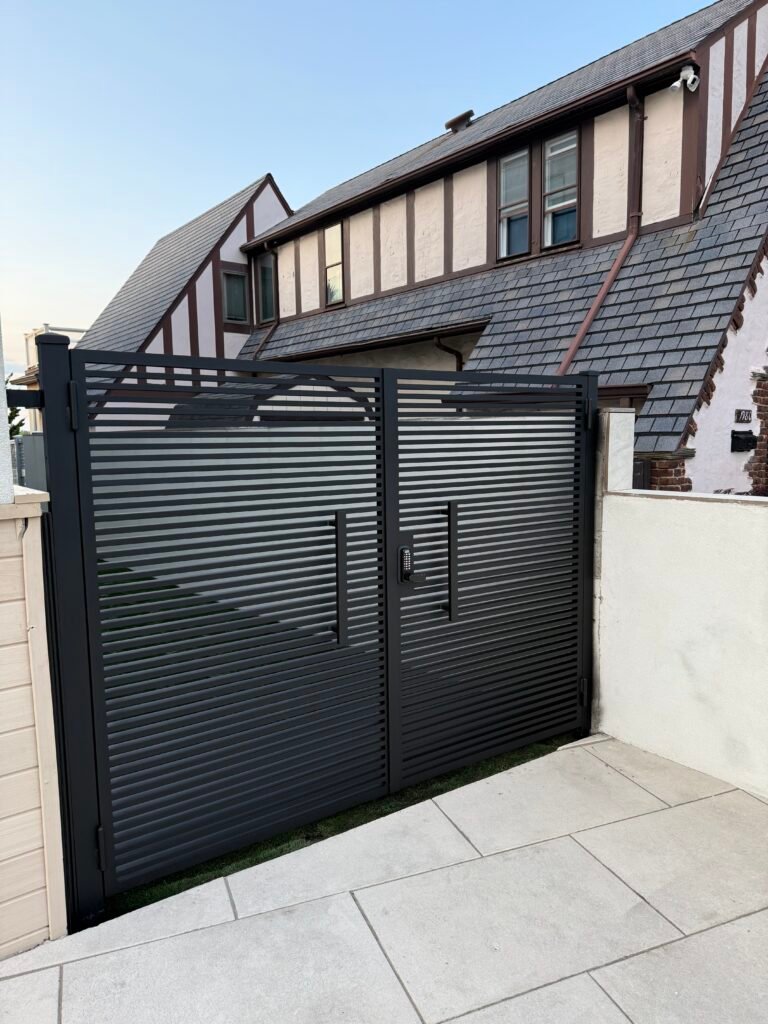
Iron Gates & Fencing
Automated driveway gates with remote, keypad, or app entry. Estate gates and full perimeter runs for larger lots. Decorative iron fencing sized to narrow city lots. Security gates and window guards for storefronts and ground-floor windows.
Commercial Ironwork & Metal Fabrication
One-off structural and miscellaneous steel for contractors, architects, and property managers: storefront framing, brackets and lintels, platforms, steel and spiral staircases, cellar and sidewalk doors, and street tree pit guards.
A Few Things We're Known For
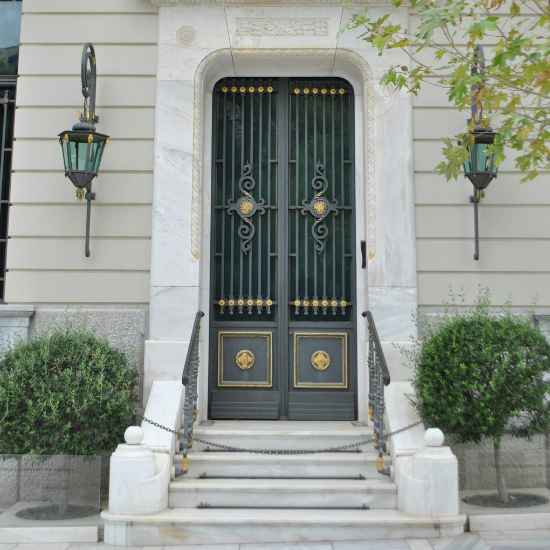
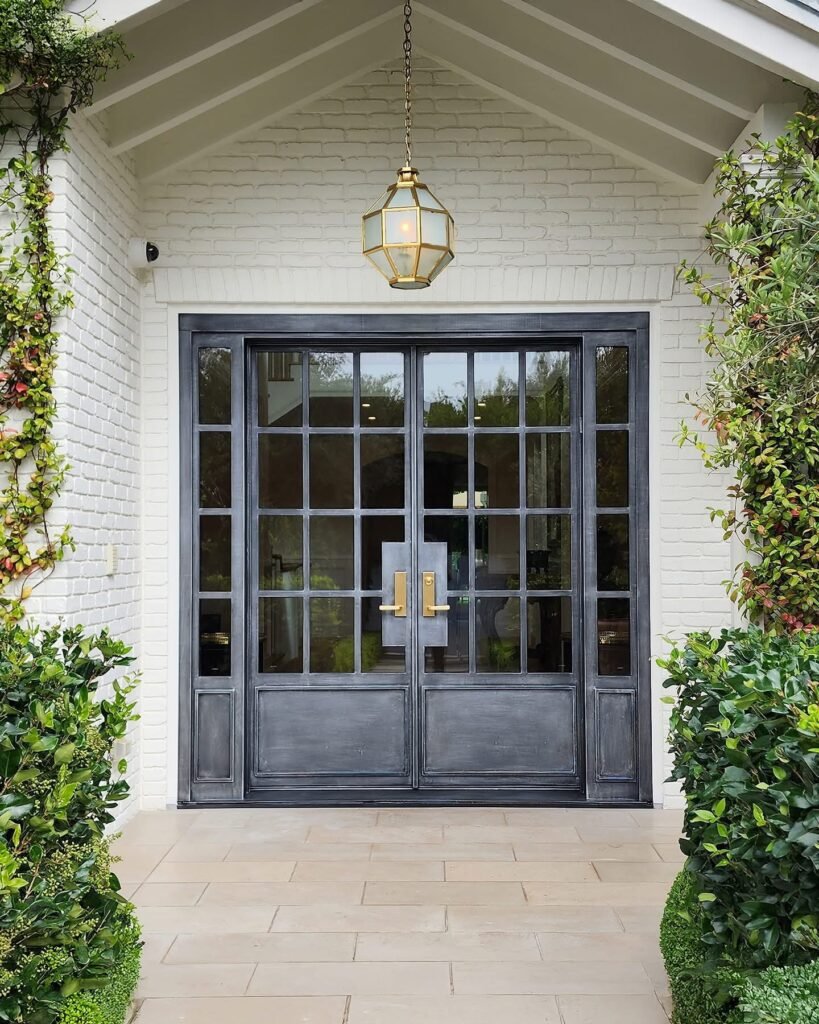
A handcrafted iron door is a solid forged entry piece — custom panel and scrollwork, and where you want them, glass inserts, operable panels, and thermal breaks. It’s built to the actual opening in your building rather than fitted to a stock size. Old-world European forging and hardware, made, hung, and finished by our own crew.
Older buildings lose their original ironwork a piece at a time — a section corrodes through, a run goes missing, someone patches it badly in 1978. We take patterns off whatever original detail survives and forge replacements to match the period profile, then blend the new work into the existing run so it reads as one piece.
Fire Escape Repair & Egress Stairs
Fire escape work is compliance work. Most owners who call us are answering an inspection finding or a violation notice, not picking out a design. The job is welding and fabrication — corroded treads, ladders, stringers, landings, anchors back into masonry, rust remediation and repaint to DOB and FDNY inspection standard. Waiting past a finding usually makes it a bigger job.
How Custom Ironwork Gets Made
People sometimes assume custom ironwork means picking a design from a catalog. It doesn’t work that way here. Every job starts with a site visit and field measurement of the actual run or opening, because existing NYC buildings are rarely square or standard — old brick settles, openings shift, and stairs aren’t always the same width top to bottom.
After measuring, we put together shop drawings for approval before any steel gets cut. Once approved, fabrication and forging happen at our Glendale workshop. Finishing comes next: grinding, priming, and a paint or powder coat chosen for exterior exposure, since what holds up on a coastal building differs from an interior stair. Then comes installation and anchoring into brick, brownstone, concrete, or steel — done by the same crew that built the piece.
Field measurement matters more than catalog sizing on older buildings. And having one shop handle design, fabrication, and installation avoids the handoff problems that come from buying imported stock ironwork and hiring a separate crew to install it. We’ve refined this process over 30+ years in iron works and metal fabrication.
Explore Our Gallery
We had our railings done by the European Custom Iron company and we are extremely pleased with the workmanship and the professionalism of the company owner and his crew.
The job is worth every penny and everyone is admiring the artistic appearance of our ironwork.
We were very happy with the quality of the work and with the results. Marcel kept us informed about the progress from when he measured until our railings were ready to be installed. The crew did very careful work to make sure that the installation was properly done.
Frequently Asked Questions
Does living near a historic district mean I need LPC approval for ironwork?
No, not just because you’re nearby. Landmarks Preservation Commission review only applies if your specific address is individually designated or sits inside a designated historic district’s boundaries. Being next door doesn’t trigger it. Check your address first. If it is designated, exterior ironwork visible from the street usually needs review before work starts, but that review looks at matching detail, not blocking changes outright.
My stoop railing is worn thin. Does that need repair or full replacement?
It depends on how much original metal is left. Attached brick homes across the city often have stoop rails that have taken decades of weather, and if enough sound iron remains, repair can bring it back. If corrosion has eaten through structural sections, replacement matching the original profile is usually the safer call. We can tell you which one your railing needs during a free estimate.
When should I call about a fire escape on my building?
Call as soon as you notice corrosion, a violation notice, or an inspection finding on your fire escape. This is required egress for NYC multi-family buildings, so it’s compliance work, not a design choice. Waiting past an inspection finding can turn a smaller repair into a bigger job. Older multi-family buildings across the boroughs especially need regular checks on treads, ladders, and landings.
Ready to Talk About Your Ironwork?
Tell us what you need and we’ll come measure. Estimates are free, and we’ll tell you honestly whether a railing can be restored or should be replaced.