European Custom Iron
Historic Restoration & Replication
The Detective Difference: A Diagnostic Approach
We approach historic projects with a level of investigation that most shops ignore. We don’t just look at the iron; we study the era.
Metallurgical Analysis
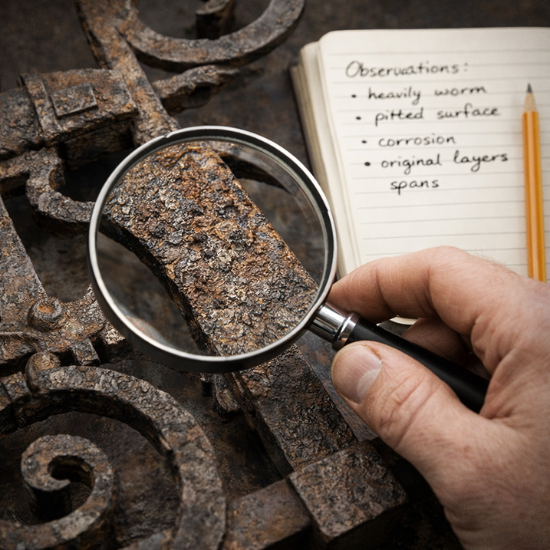
We evaluate the existing metal to determine if it is original wrought iron, cast iron, or early steel, ensuring our restoration techniques are compatible with the original material.
Pattern Matching
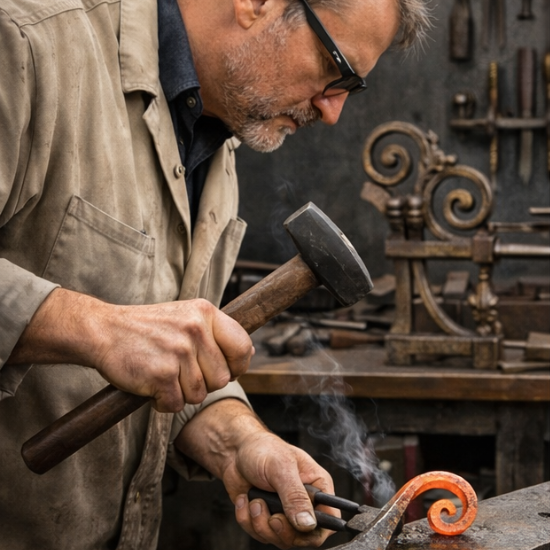
For missing components, our artisans utilize traditional European techniques to hand-forge exact replicas of original scrolls, pickets, and finials
Landmark Liaison
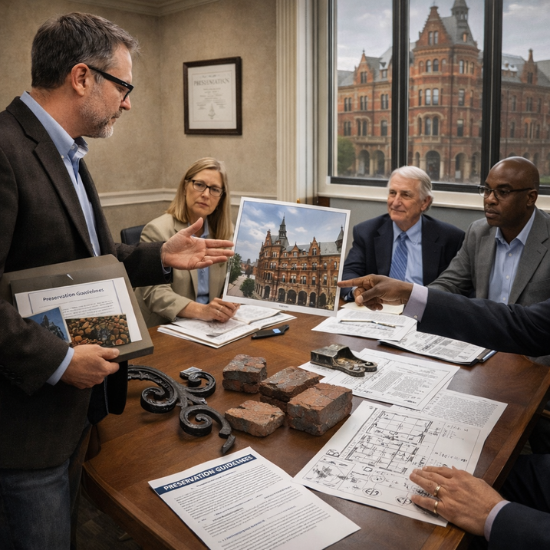
We understand the specific requirements of boards like the NYC Landmarks Preservation Commission and the D.C. Historic Preservation Review Board. We provide the documentation and samples necessary to streamline the approval process.
Historic ironwork is more than architectural ornament; it is a legacy of the Mid-Atlantic’s cultural heritage. At European Custom Iron, we specialize in the meticulous restoration and precise replication of period-correct metalwork for landmarked properties. With over 30 years of experience, we are the preferred choice for homeowners and architects in historic districts from Brooklyn Heights and Manhattan to Georgetown and Capitol Hill.Original 19th and early 20th-century ironwork in the Northeast and Capital regions faces unique environmental threats. From the humid summers of Maryland to the salt-heavy air and freezing winters of New York, original wrought iron often reaches a critical point of failure.
Common issues requiring professional restoration:
The Cost of Inaccurate Replication: Historic preservation boards are rigorous. Installing a “near-match” or modern off-the-shelf railing can result in stop-work orders and expensive removals. We ensure every piece is an exact architectural match that honors the original artisan’s intent while meeting modern safety codes.
Decades of paint buildup often obscure the delicate hand-forged scrolls and leaves that define the piece’s character.
Rust often begins at the “mounting pockets” where the iron meets stone or brick masonry, causing the metal to expand and crack historic limestone or brownstone.
Many historic pieces have been damaged by well-meaning but unqualified contractors who used modern electric welding on historic cast or wrought iron, leading to brittle joints and future failures.
Master Craftsmanship for Landmark Districts
While we respect the past, we utilize modern protection to ensure your restored ironwork lasts for another century.
We utilize on-site laser measurements to ensure that new or restored pieces integrate perfectly with existing historic masonry.
Every replacement piece is forged by hand in our dedicated facility, utilizing traditional blacksmithing techniques passed down through generations.
We combine historic aesthetics with modern durability. Our pieces can be hot-dip galvanized and finished with heavy-duty coatings that resist rust without looking "plastic" or overly modern.
Our own team manages the delivery and installation, utilizing specialized techniques to anchor iron into historic stone without causing damage to the property.
Frequently Asked Questions
Can you work with historic boards in Georgetown and Brooklyn?
Yes. We have extensive experience navigating the rigorous standards of historic districts in Washington D.C. and New York City. We ensure that every design is period-accurate and provides the necessary details for local landmark board approvals.
Is it better to repair original iron or replace it?
This depends on the level of oxidation. As “Iron Detectives,” we perform a structural audit. If the core integrity is sound, we restore. If the metal has “exfoliated” or lost its structural strength, we provide a precision replication that is visually indistinguishable from the original.
How do you prevent rust on restored historic iron?
We utilize a multi-stage finishing process that includes deep-cleaning the original metal and applying marine-grade, high-build primers and topcoats. For new replications, we often recommend hot-dip galvanizing to provide a permanent barrier against the Northeast climate.
Can you match custom scrolls and patterns from the 1800s?
Yes. Traditional European blacksmithing is our heritage. We can hand-forge exact duplicates of complex 19th-century ornamental details that modern machine shops simply cannot produce.
Ready to preserve your property’s architectural legacy?
Whether you are restoring a brownstone in Brooklyn Heights or a federal-style home in Georgetown, let’s ensure it is done right.